
Tips + Planning
10 Best Activities in Port Douglas

The scenery may be breathtaking, but it’s not the only reason why you should make the trip. There are plenty of fun experiences you should not dare miss when in Port Douglas.
Most tourists go to Port Douglas for three things – relaxation, rainforest, and the reef. But the fact is that there’s more to this coastal Queensland town than its picturesque beauty.
Tons of adventures await once you set foot in town. And if you want to make your trip one for the books, here’s a list of some of the most fun things to do in Port Douglas.
1. Tour the Great Barrier Reef
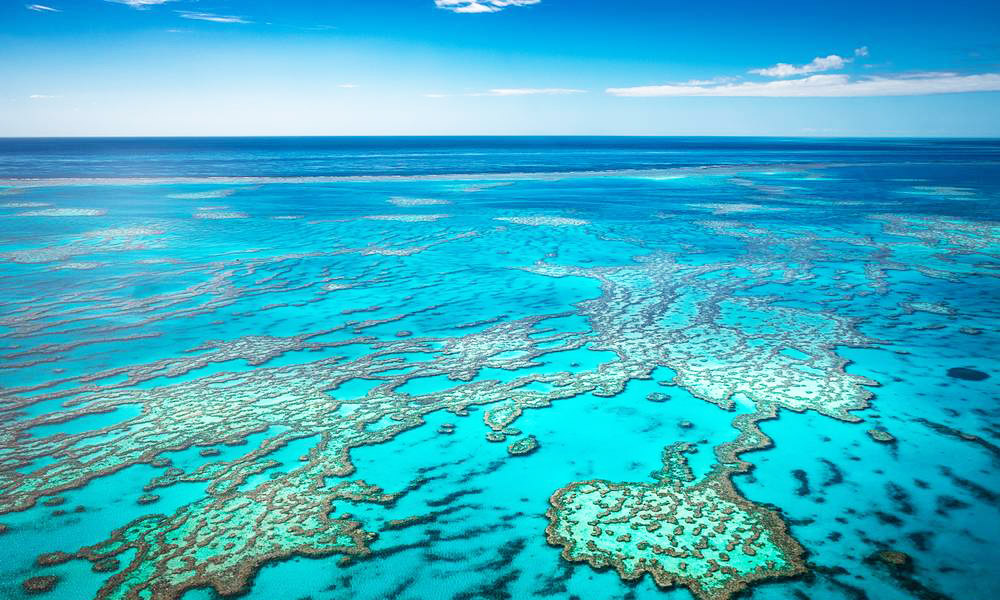
One of the greatest Port Douglas experiences is to see the Great Barrier Reef, the largest coral reef system in the world. It’s located some 40 miles northeast of Port Douglas.
There are a variety of catamaran and even helicopter tours that provide guests with the ultimate view. However, taking a boat to the reef is often the best idea. It makes it easy for snorkeling and scuba diving enthusiasts to jump in the water and see the coral reef up close.
A tour can last up to a full day, depending on how many of the smaller coral islands you want to visit.
2. Visit the Wildlife Habitat

The Port Douglas Wildlife Habitat is a family-friendly attraction with no shortage of thrilling experiences. You can see various colorful birds, reptiles, koalas, and even some rare and elusive specimens like the cassowary.
Having breakfast with the birds is considered one of the unique things to do in Port Douglas. Mingling with kangaroos and other mammals is also part of the attraction. And if you’re traveling with kids, why not go on the nocturnal tours?
3. Take the Skyrail or Railway to Kuranda

Many tourists who come to Port Douglas make it a point to visit Kuranda. Although there’s plenty to see there, it’s the trip itself that provides them with the most excitement.
There are two popular ways to get to Kuranda.
The first one is on the Kuranda Skyrail, which soars over the rainforest and offers a breathtaking bird’s-eye view of the area.
Your second option is the Scenic Railway. It’s called like that for an excellent reason: the trip to the mountain takes you through fantastic scenery that consists of canyons and tumbling cascades.
4. Go Rafting on the Barron River
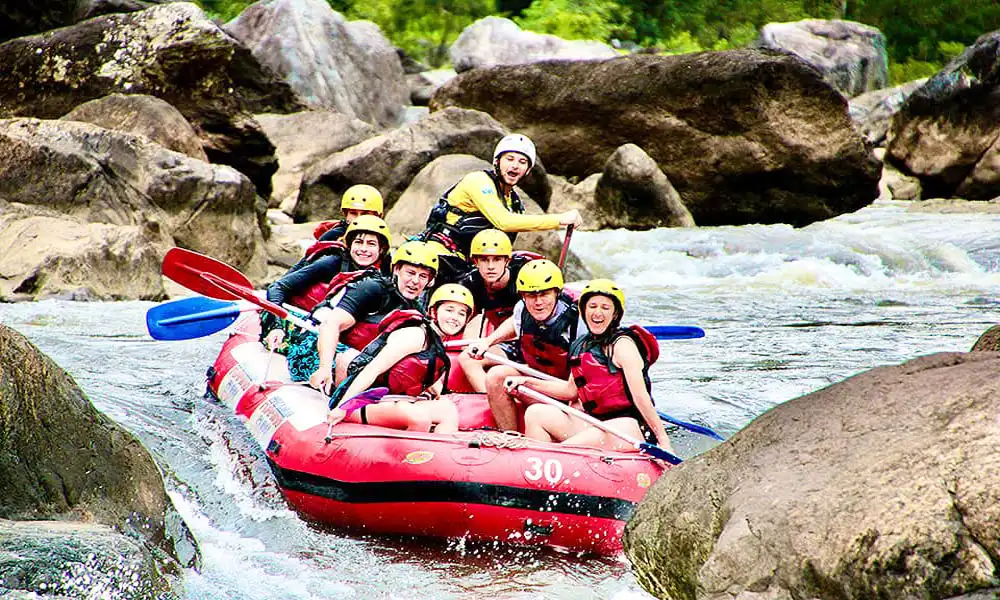
If you ever get tired of sightseeing via the Port Douglas tours, it’s perhaps time to go on an adventure. Fortunately, Port Douglas offers quick access to the Barron River. It carves right through the Barron Gorge National Park and it’s the perfect spot for adrenaline seekers.
The river has calm stretches and white water rapids that go up to a grade 3 in difficulty.
For an even more thrilling experience, there’s always the Tully River with good stretches of grade 4 rapids. Keep in mind that the Tully River is a three-hour drive away from Port Douglas.
5. Spend a Day at Four Mile Beach, Port Douglas

Four Mile Beach is the most famous in the area. And what makes it a terrific spot is the absence of gigantic hotels and massive residential buildings – the beach has mostly lush tropical foliage as its backdrop.
The soft sand and turquoise sea look out of this world and the long stretch of land is enough to keep the place from getting crowded. It even has a gorgeous hilltop lookout that offers a superb view of the entire coast.
Whether you want to take a stroll, sunbathe, or swim, Four Mile Beach is a great spot to do just that.
6. Explore the Daintree Rainforest

You can always take the Skyrail to see the Daintree Rainforest from above. But why not explore the rainforest itself?
It’s one of the best things to do in Port Douglas and offers a unique experience. After all, Daintree is the world’s oldest living rainforest.
Tours of the rainforest take you on both land and water and allow you to engage in a wide range of activities. You can do some jungle surfing, bungee jumping, or even enjoy fruit tastings accompanied by aboriginal guides.
7. Hike and Swim in the Mossman Gorge

Another one of the top 10 things to do in Port Douglas is to explore the Mossman Gorge. This part of the Daintree National Park has numerous clear water pools that are perfect for cooling off on a hot day.
Colorful butterflies and local wildlife bring the Mossman Gorge to life.
And for an even cooler experience, try the rainforest aerial walkway that has you exploring the area through the canopy.
8. Spot Wildlife While on a River Cruise
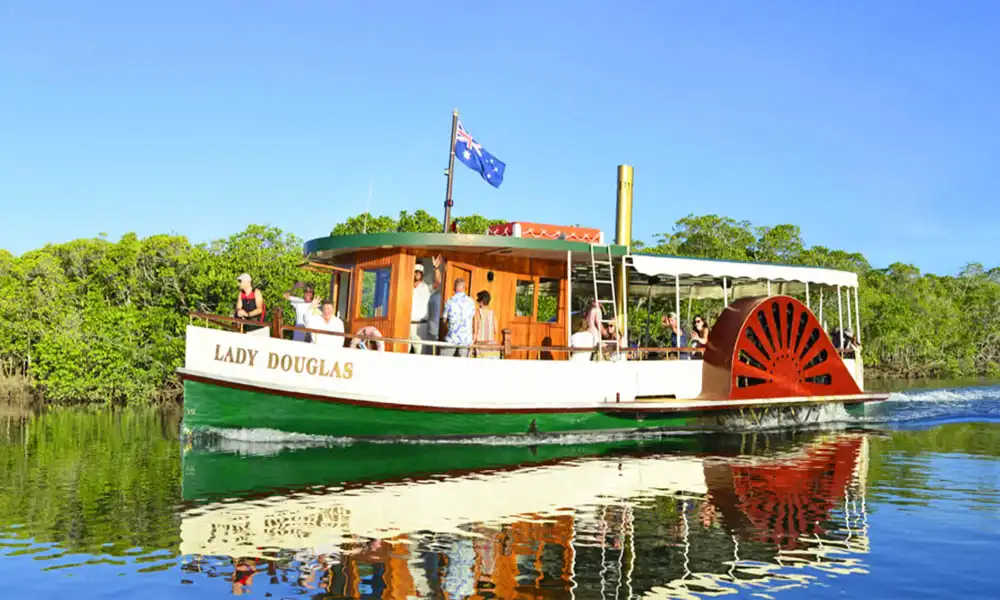
Do you want to see some saltwater crocodiles in their natural habitat on your Port Douglas vacation? Check out one of the many gentle river cruises that depart from the marina.
These cruises take you through undisturbed mangrove territory where you can see multiple crocs going about their day. Birdwatchers enjoy these cruises, too, as they provide the perfect opportunity to spot white-bellied sea eagles, kites, ospreys, and many more species.
Make sure to keep an eye out for the small shipwrecks that are scattered all over.
9. Take a Trip to Cape Tribulation

Visiting Cape Tribulation offers you an opportunity to experience something unique. After all, it’s the only place in existence where two UNESCO World Heritage sites come together.
A trip there is nothing but a two-hour journey that takes you through otherworldly scenery.
You can also make the most out of your trip and visit the actual heritage sites themselves: the Great Barrier Reef or the green jungle that is the Daintree Rainforest.
10. Book a Ticket on a Heritage Steam Train Tour

Most tourists know Port Douglas as a paradise location with lush jungles, sandy beaches, and clear waters. But there’s more to the region than nature at its finest.
If you hop aboard the Bally Hooley, you can take a different kind of Port Douglas tour. This guided train tour will teach you about the sugarcane pioneers in the area, as well as the gold rush. You can also check out a variety of old diesel and steam locomotives on the route.
It’s Easy to Forget How to Relax
There’s so much to do in and around Port Douglas. Although this list already provides plenty of ideas, don’t forget to relax, sip a cocktail, or even get in a few spa treatments to make the most out of your holiday.









Tips + Planning
How the Right Credit Card Can Help Turn Everyday Spending Into Travel Opportunities
Many people dream about taking more trips whether it’s a relaxing beach getaway, exploring a new city, or finally booking that long‑planned vacation.
But travel costs can add up quickly. Flights, hotels, dining, and activities can make even a short trip feel expensive.

That’s one reason many travelers are paying closer attention to how they choose their credit cards.
The right card can sometimes turn everyday purchases into points, miles, or rewards that help offset travel costs. And platforms like CreditSoup are designed to help people compare options and find cards that match the way they spend and travel.
Turning Everyday Spending Into Travel Rewards
Many credit cards now offer rewards programs that allow users to earn benefits on purchases they’re already making such as groceries, gas, dining, and online shopping.
Depending on the card, those rewards might include:
- Airline miles
- Hotel points
- Cashback that can be used toward travel
- Travel credits or perks
For people who travel regularly, these benefits can sometimes make a noticeable difference when planning a trip.
Instead of starting from scratch each time, travelers may already have rewards built up that can help reduce the overall cost.

Finding a Card That Matches Your Travel Style
Not all travel rewards cards work the same way. Some are better suited for frequent flyers, while others are designed for occasional travelers who simply want to earn rewards on everyday purchases.
Platforms like CreditSoup help simplify the search by organizing different credit card offers in one place so people can compare features more easily.
For example, some cards focus on:
- Airline rewards and frequent‑flyer programs
- Hotel loyalty points
- Flexible travel redemption options
- Simple cashback that can be applied toward travel expenses
By comparing these features side‑by‑side, users can get a better idea of which cards might align with their travel goals.
Looking Beyond Just the Rewards
While rewards are often the biggest attraction, travel credit cards may also include additional benefits that can make trips smoother.
Some offers include perks such as:
- Travel insurance coverage
- Rental car protection
- Airport lounge access
- No foreign transaction fees
When combined, these features can make certain cards particularly appealing for people who travel internationally or take multiple trips each year.
Services like CreditSoup help highlight these details so users can review important features before choosing a card.

Why More Travelers Are Comparing Cards First
The credit card market is constantly evolving, with banks introducing new rewards programs and promotional offers throughout the year.
For travelers, this means there may be more opportunities to earn rewards or find benefits that fit their lifestyle.
But sorting through dozens of offers can be time‑consuming.
That’s why comparison platforms exist to organize available options and give users a clearer starting point when exploring credit cards that might support their travel plans.
A Smarter Way to Plan Your Next Trip
Travel often feels more attainable when people make the most of the financial tools they already use every day.
By choosing a credit card that aligns with their spending habits and travel goals, some consumers are able to earn rewards that help make future trips a little easier to plan.
Platforms like CreditSoup aim to simplify that process, helping people explore different credit card options and better understand which benefits may work best for them.
And for many travelers, finding the right card is simply another step toward making the next adventure a reality.
Tips + Planning
Travel Feels Different Lately And That Matters
If the past year has shown travelers anything, it’s this:
January’s severe winter storms grounded thousands of flights across the U.S., leaving travelers stranded in airports for days. Hotels filled up. Rebooking costs surged. Some people never made it to their destinations at all.
At the same time, geopolitical tensions including ongoing instability involving Cuba and regional safety concerns in parts of Mexico have forced sudden itinerary changes for international travelers.

None of these people expected disruption when they booked.
But disruption showed up anyway.
And that’s exactly where travel insurance shifts from “optional” to “practical.”
When Weather Grounds the Country
This January, major snow and ice systems shut down airports across multiple states.
Flights were canceled in waves. Crews timed out. Aircraft were out of position. Even travelers in cities with clear skies were affected because of network disruptions.
For some travelers, it meant:
- Missed cruises
- Missed tours
- Non‑refundable hotel nights
- Additional last‑minute airfare
- Extra food and lodging expenses
Airlines do what they can but compensation is often limited.

Travel delay and trip interruption coverage can reimburse many of those out‑of‑pocket costs when severe weather derails your plans.
When the system stalls, protection matters.
Political & Regional Instability
Travelers heading to parts of the Caribbean and Latin America have also had to navigate changing advisories, localized unrest, and safety concerns.
While many trips proceed without issue, unexpected developments can lead to:
- Canceled excursions
- Sudden itinerary changes
- Early returns home
- Emergency transportation
Travel insurance can provide coverage when unforeseen events force cancellations or interruptions.
The world doesn’t stop moving just because you have reservations.

The Medical Reality Abroad
Beyond weather and geopolitics, the fundamental risk remains the same:
You are not in your home healthcare system.
A broken bone in a foreign country.
A sudden illness.
An accident during an excursion.

International hospital stays can cost tens of thousands of dollars. In some destinations, payment is required before treatment continues or before discharge.
Many domestic health plans offer limited international coverage. Some offer none at all.
Emergency medical and evacuation coverage isn’t dramatic thinking.
It’s realistic planning.
The Pattern Is Clear
Recent snowstorms.
Flight system breakdowns.
Regional unrest.
Strikes.
Weather volatility.

None of these are rare events anymore.
They’re recurring headlines.
Most trips still go smoothly.
But the margin for error feels thinner than it used to.
And when disruptions happen, they ripple fast.
Travel Is an Investment Protect It Like One
If you’re spending $5,000 to $10,000 (or more) on a trip, you’re not just buying plane tickets.
You’re investing in:
- Limited time off
- Coordinated schedules
- Special occasions
- Non‑refundable bookings
- Experiences you may not easily replicate
Travel insurance typically costs a small fraction of the total trip.

Compared to:
- A week of canceled flights
- A last‑minute international return
- A five‑figure hospital bill abroad
It becomes less about “extra cost” and more about risk management.
Planning for the World as It Is
A few years ago, many travelers viewed insurance as overly cautious.
Today, after pandemic disruptions, severe weather events, airline instability, and global tensions, the conversation feels different.
Not fearful.
Just realistic.
You can’t control snowstorms.
You can’t control political shifts.
You can’t control sudden illness.
But you can control how exposed you are financially if those things affect your trip.

From Headlines to Your Itinerary
We read about snowstorms shutting down airports.
We see alerts about changing travel advisories.
We scroll past stories of grounded flights and stranded passengers.
It feels distant until you’re the one holding the boarding pass.
The recent January storms left travelers sleeping in airports and scrambling for last‑minute hotels. Not because they planned poorly. Because systems froze.
In other regions, shifting political or safety concerns forced sudden itinerary changes for visitors who had booked months in advance.
These aren’t once‑in‑a‑decade events.
They’re normal travel variables now.
And when something changes unexpectedly, flexibility often comes down to what protection you put in place before departure.

Tips + Planning
Before You Book the Trip: One Smart Move Many Travelers Overlook
Planning a trip is exciting.
You compare flights.
You look at hotels.
You picture yourself somewhere new even if it’s just for a long weekend.
Travel represents freedom, reset, adventure.
But there’s something interesting about travel planning:
It highlights how much we value the people and experiences in our lives.
And that’s where a different kind of planning often comes into focus.

Travel Is About Living. Planning Is About Protecting
Most people don’t think about life insurance while browsing vacation deals.
But travel has a way of reminding us what matters.
Whether you’re traveling solo, with a partner, or with your family, being away from home brings a subtle awareness: life is unpredictable.
Flights get delayed. Weather changes plans. Unexpected situations happen.
We can’t control everything.
But we can prepare responsibly.
That’s why many financially aware travelers don’t just plan the fun part of the trip, they make sure their broader financial foundation is solid as well.

Why Travel Often Sparks Bigger Financial Decisions
There’s a reason people make major financial decisions around milestone moments.
Buying a home.
Having a child.
Starting a business.
Planning a big trip.
Travel tends to trigger reflection. It reminds you that time matters. Experiences matter. Family matters.
And for many people, that reflection leads to questions like:
- If something unexpected happened, would my family be financially protected?
- Do I have enough coverage in place?
- Would my partner or children be okay long-term?
These aren’t dramatic thoughts. They’re responsible ones.

Life insurance isn’t about expecting something bad to happen. It’s about acknowledging that life is unpredictable and planning anyway.
The Difference Between Travel Insurance and Life Insurance
Travel insurance typically covers things like trip cancellations, lost baggage, or medical emergencies during a trip.
Life insurance serves a different purpose.
It provides financial protection to your loved ones if something were to happen to you whether you’re traveling or at home.
While travel insurance protects the trip, life insurance protects the people behind it.
Both are part of thoughtful planning.
Peace of Mind Travels With You
One of the underrated benefits of having proper financial protection in place is peace of mind.
When your broader financial plan is secure:
- You travel lighter mentally.
- You focus on experiences instead of “what ifs.”
- You know your family is protected no matter where you are.
For parents especially, that sense of security matters.
Knowing your children would have financial support for housing, education, or everyday living expenses provides a level of reassurance that no itinerary can match.
You Don’t Have to Be Wealthy to Consider Coverage
A common misconception is that life insurance is only necessary for high earners.
In reality, coverage is often most important for households that rely on shared income, regardless of income level.
Many policies are more affordable than people assume, especially for healthy adults.

Even a modest policy can:
- Help replace lost income
- Cover debts
- Provide stability during a difficult time
- Protect long-term financial goals
The goal isn’t over-insuring.
It’s making sure there’s a plan.
Travel Reminds Us What We’re Protecting
At its core, travel is about creating memories.
It’s about stepping outside your routine and appreciating the people around you.
In a way, that’s exactly what life insurance planning is about: protecting the people who make those moments meaningful.
Before your next trip, it may be worth taking a few minutes to review your overall financial protection.
Do you have coverage in place?
Is it sufficient?
Has your situation changed since you last looked at a policy?
You don’t need to overhaul your finances before you board a plane.
But making sure your foundation is solid can allow you to fully enjoy the journey.
Because real peace of mind doesn’t come from the destination.
It comes from knowing the people you love are protected wherever life takes you.











Oceanside’s Surfing Scene: A Beginner’s Guide
If you’ve ever dreamed of catching your first wave, Oceanside, California, is the perfect place to start. With its laid-back...


Why San Diego Might Be California’s Coolest City—And No One’s Talking About It
When people think of California’s most iconic cities, Los Angeles and San Francisco usually steal the spotlight. But those in...


What They Don’t Tell You About Orlando (Hint: It’s Not All About the Mouse)
Orlando is world-famous for one thing: the Mouse. And sure, Walt Disney World is a bucket list destination. But beyond...

Why This Laid-Back Beach Town Is the East Coast’s Best-Kept Secret
Most people planning an East Coast beach trip think of places like the Hamptons, Cape Cod, or Miami. But tucked...


10 Things You Didn’t Know You Could Do in NYC (Even Locals Miss These)
New York City is famous for iconic landmarks like Times Square, Broadway, and Central Park. But beneath its glittering surface,...


You Won’t Believe What $147 Gets You In Cancun – Unlimited Food, Drinks & 5 Nights
Sound too good to be true? We thought so too. But it’s real. For just $147 total, you can stay...


These 7 Haunted Places In New Orleans Will Give You Chills
New Orleans, a city steeped in history, rich culture, and a distinct air of mystery, is practically synonymous with the...


Why The Grand Serenis Resort In Akumal Is Rated The #1 Snorkeling Resort In North America
Dive into Paradise: Why Grand Sirenis Riviera Maya is a Snorkeler’s Dream Akumal, Mexico – When it comes to finding...


New Orleans’ Jazz Scene: A Music Lover’s Guide
When it comes to jazz, New Orleans doesn’t just play the notes—it lives them. The city pulses with rhythm, soul,...


Oceanside’s Farm-to-Table Dining: A Foodie’s Guide
If you’ve ever dreamed of devouring a just-plucked salad while staring at the Pacific, then buckle up, buttercup—Oceanside farm-to-table dining...
-

 World's Best57 years ago
Why Oceanside Is The Coolest Beach Town In California You’ve Never Heard Of
-

 Tips + Planning57 years ago
How the Right Credit Card Can Help Turn Everyday Spending Into Travel Opportunities
-

 Tennessee57 years ago
Nashville’s Live Music Scene: A Guide to the Best Venues
-
Travel Deals57 years ago
5 Days in Southern California for $147? Here’s Why This Oceanside Deal Is Turning Heads
-

 USA57 years ago
The Top Nashville Attractions for the Music Lover
-
Trip Ideas57 years ago
Why The Grand Serenis Resort In Akumal Is Rated The #1 Snorkeling Resort In North America
-

 Travel Deals57 years ago
Why Vacations Feel Impossible When Debt Is in the Picture
-

 Travel Deals57 years ago
New AI Technology Helps Travelers Find the Best Flight Deals