
Asia
Here’s What You Should Know Before Traveling to Singapore
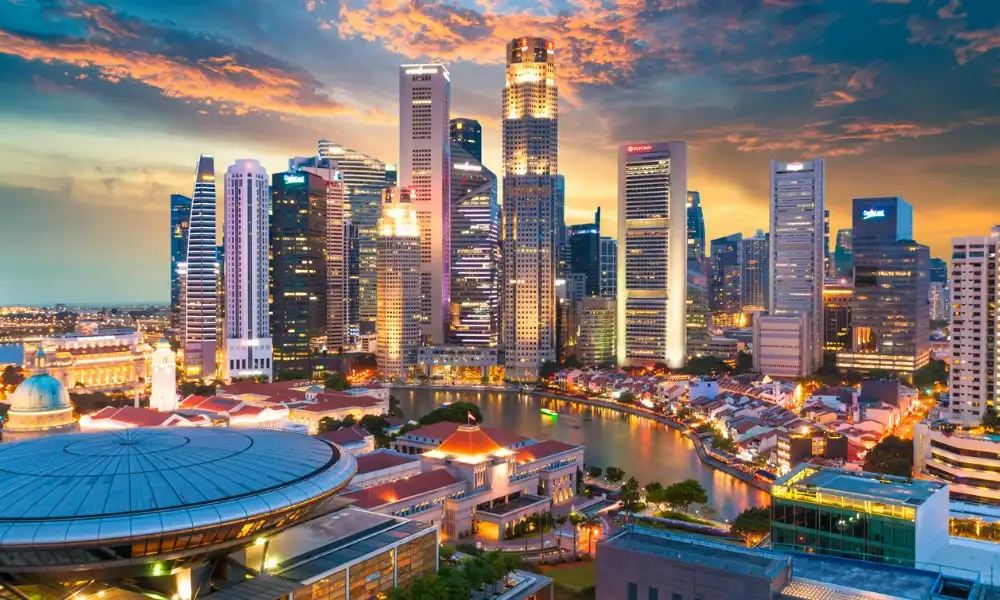
Planning a trip to the smallest Asian country? Its massive offerings and rich culture will surely surprise you.
Singapore is one of three city-states in the world and the only one outside Europe. Although it’s one of the world’s smallest countries, it’s also one of the coolest to visit. It’s also among the largest and busiest transport hubs in Asia.
But before booking a trip, take a look at some of the things you should know about Singapore.
1. It’s Safe

Before deciding on your next vacation destination, you’re probably asking this question: Is it safe to travel to Singapore?
Although it’s not exactly crime-free, it does have a very low crime rate. It’s safe to travel to Singapore alone or with your family compared to many other Asian destinations.
2. Singapore Isn’t Cheap
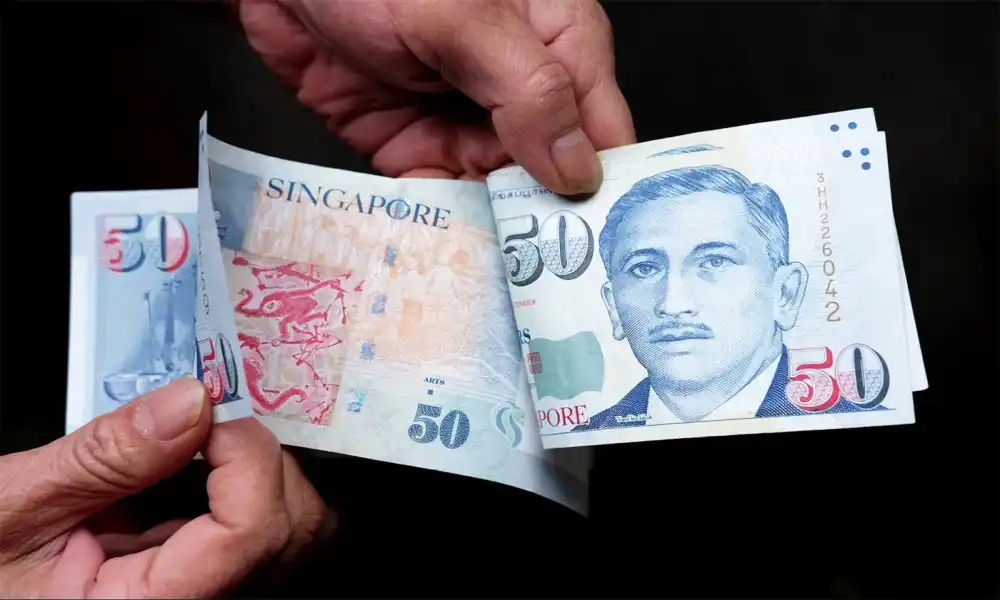
The city offers plenty of places to grab a bite, from fast food joints to fine-dining restaurants. But you should know that some things aren’t cheap in Singapore.
Alcohol and cigarettes are quite expensive, with the latter found everywhere and the former sold mostly outside of supermarkets or hawker centers.
Another thing that isn’t cheap is healthcare. The country has good medical facilities, but care comes at a price. That’s why it’s best to get some travel insurance whenever you’re traveling to Singapore.
3. Not Airbnb-Friendly
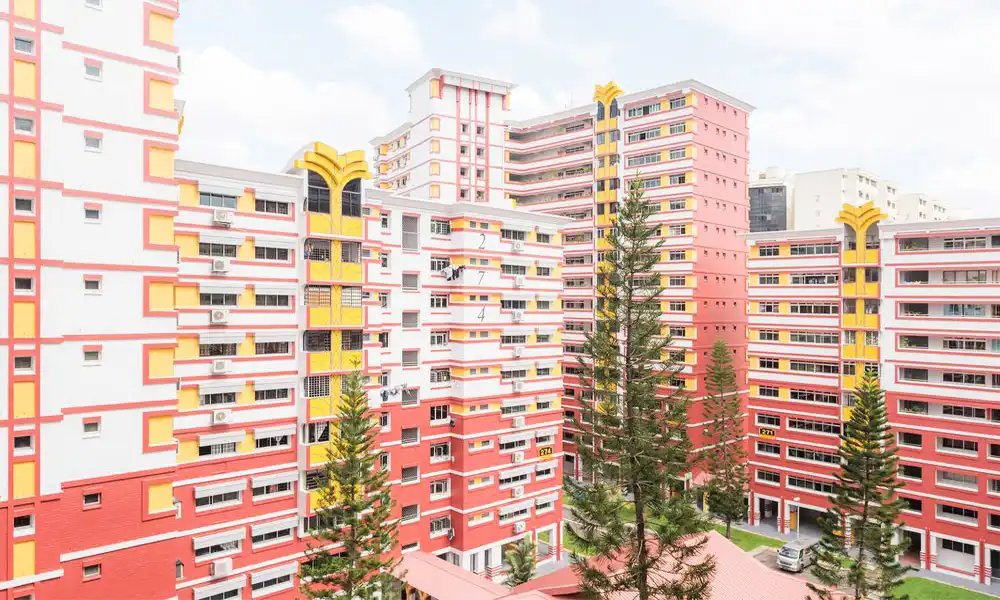
Most Singapore residents live in HDB estates. It’s a form of public housing that, under the law, can’t be rented out to tourists.
As such, Airbnb-like accommodations are hard to come by. Hotels and hostels are the safer and often cheaper alternatives.
4. Has Sufficient Free Attractions
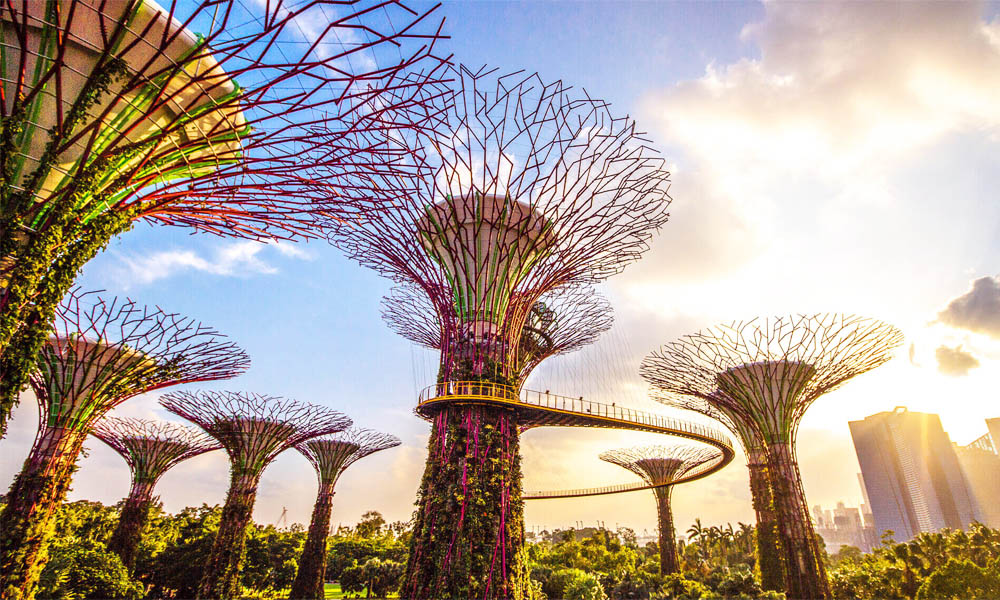
Since Singapore isn’t the cheapest to visit, it pays off to learn about its free attractions before you decide to travel to Singapore.
For example, you can visit the botanic gardens without paying an entry fee. Many venues host live performances without admissions.
There are also many churches and temples that you can tour for free. Try catching a light and water show at the Gardens too, or hop on a free city tour from the Changi Airport.
5. Avoid Taxis
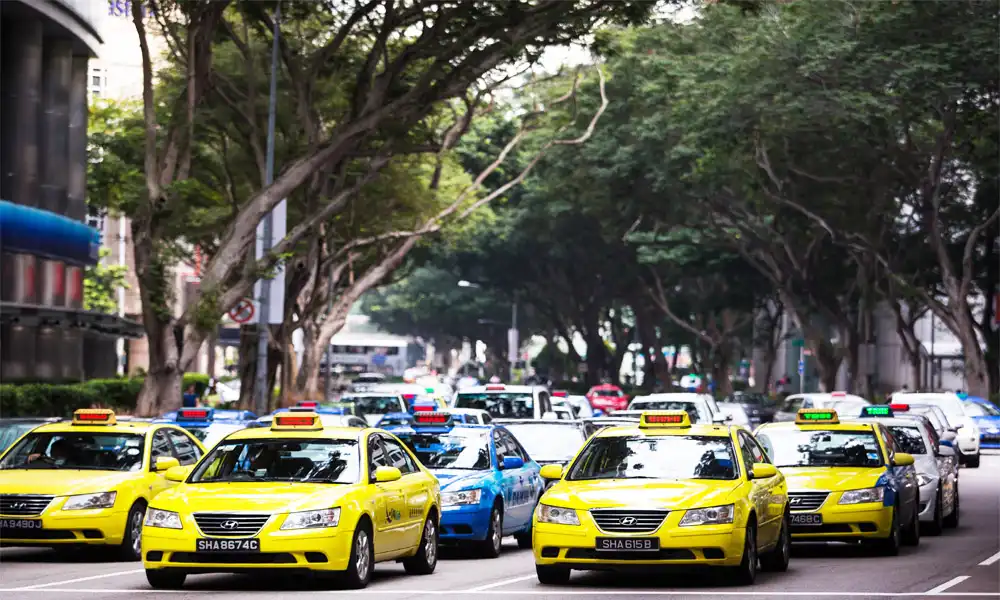
It’s better to use the MRT subway system to get around. Most attractions and cool locations around the country are in close proximity to MRT stations.
Taxis are relatively expensive in the city. By law, cabbies have to charge clients by the meter. It’s also common to encounter surcharges for a variety of reasons. So, it’s best to avoid taxis and stick to the subway and buses.
6. You Don’t Have to Leave a Tip in Most Places

When you travel to Singapore, you should know that you don’t have to tip. Cafes and restaurants charge a service fee, usually up to 10%. That comes on top of the consumption tax, which renders tipping unnecessary.
However, this isn’t a law. Locations such as fast-food places and food courts may not charge either the consumption or the service tax. You can leave a tip in those venues, but note that since locals rarely do it, no one would look at you funny if you don’t tip.
7. Research Singapore Weather
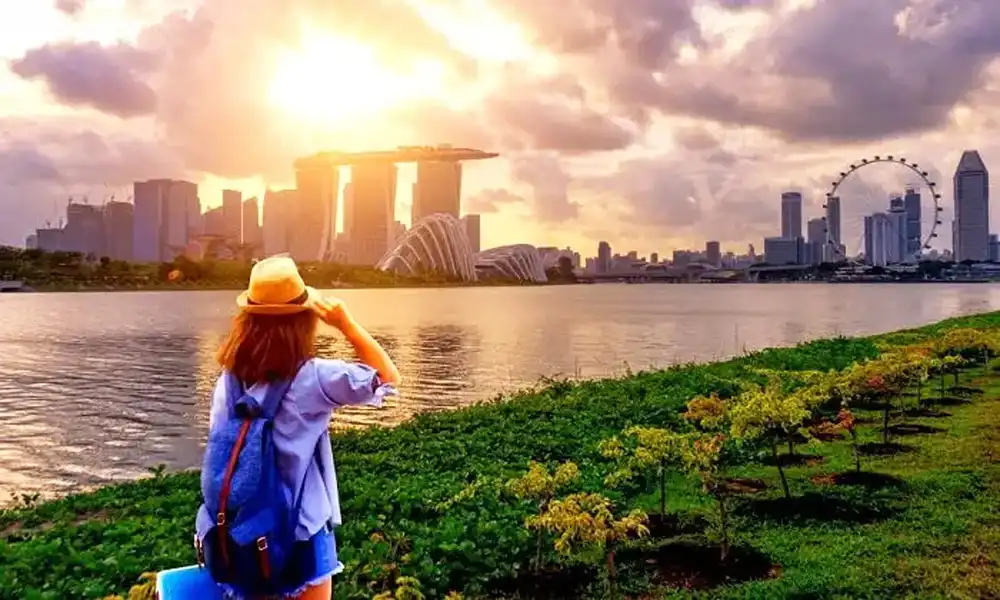
Interestingly enough, Singapore gets pretty much the same weather year-round. However, it does get plenty of smog, too. It tends to happen in the second half of the year and it’s called the haze.
It’s not a yearly thing, which means you can get lucky. But it never hurts to check forecasts before booking your trip.
You should also know that Singapore is also a very humid place. And to tourists visiting from more temperate climates, it may seem like a sauna. Remember to pack plenty of light clothes and try to stay hydrated.
8. It Has Strict Laws
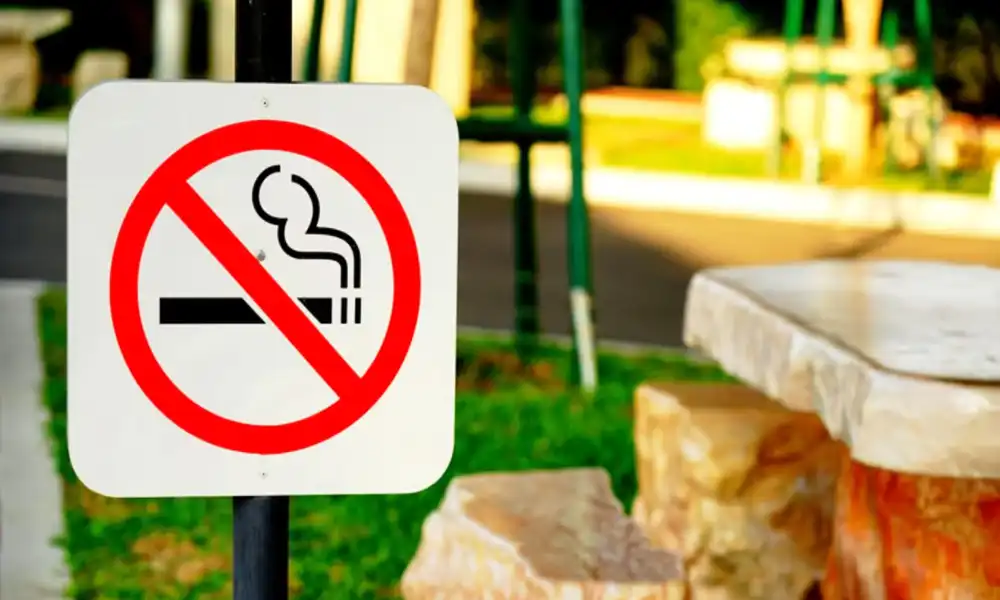
Some may look at Singapore’s public cleanliness or public order laws and consider them exaggerated.
That said, the city-state is very clean and there are almost no public disturbances to worry about. To avoid huge fines for the tiniest infractions, read up on the local laws.
9. Tips for Artists
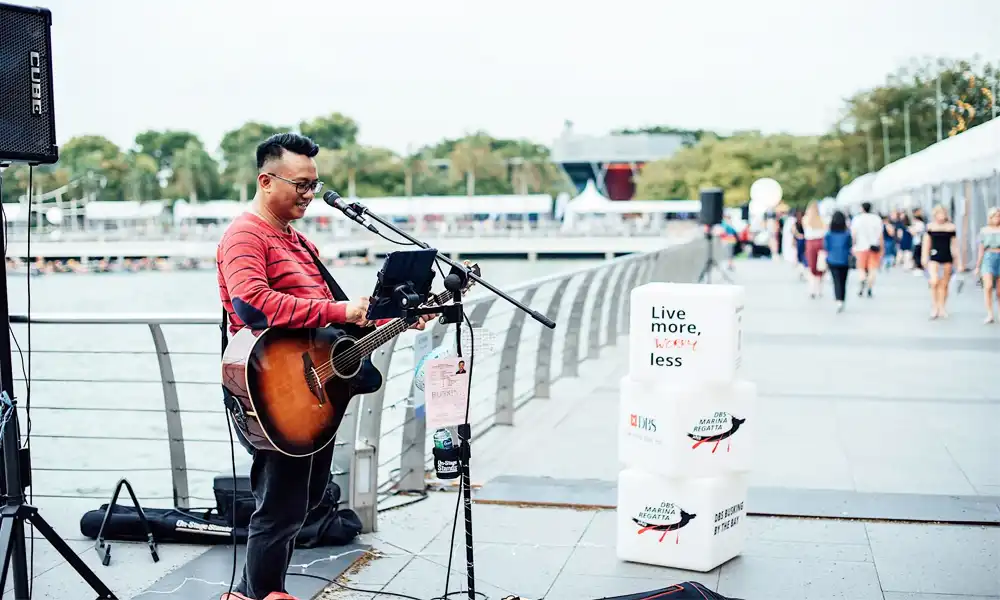
Singapore is one of those cities where busking requires a license. Although not many people on vacation travel to Singapore to sing on the streets, it’s worth knowing what the consequences of doing so are. Even an impromptu jam session could earn you a hefty fine.
10. A Location Bursting with Culture

To say that Singapore is a multicultural destination would be an understatement. Despite not having a very authentic feel to it, the country combines a variety of cultures from around the world.
Some say it’s much like visiting the whole world in one vacation. It’s safe to say there’s something in Singapore for everyone’s taste.
11. It’s Easy to Get Around Using Plain English

The country has four official languages. While Mandarin, Malay, and Tamil would seem obvious for the local racial composition, the most prominent is actually English.
Thanks to the massive number of expats living in Singapore and compulsory English classes in public ed, communication shouldn’t be a problem for anyone who speaks the language.
12. Tissues for Reservations

It’s definitely one of the local habits you should remember – people reserve seats and tables in Singapore with tissue packets. Knowing what to look for can save you from a lot of trouble when hunting for a spot.
13. If Not in a Hurry, Stick to the Left
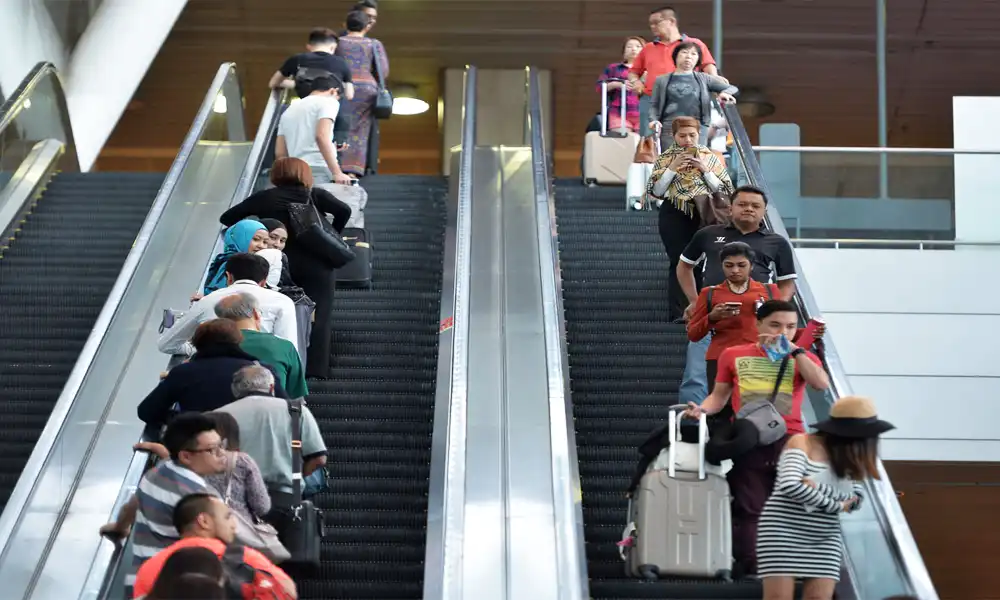
Another local quirk you should notice quickly is that people stick to the left side. It’s a common sight on escalators, and it’s a very old tradition that’s seen as a form of courtesy.
Doing so allows those in a hurry to move faster on a free lane.
A Unique Social Travelling Experience
Singapore sure has some strict regulations and quite a few quirks. Yet the country remains one of the most visited on the Asian continent.
Its gorgeous parks, rich culinary scene, and cultural blend make it an ideal vacation destination. Just remember that despite its size, Singapore is not the cheapest place to visit if you don’t plan your trip with care.





South Korea
Make Your Trip to Seoul Memorable with These Unique Experiences

Its rich culture and exciting attractions make Seoul a must-see city. Here’s how you can ensure you won’t miss out on the whole experience.
Located only a few miles from North Korea, Seoul arguably sits in a dangerous location. And this fact is a surprise to many, as Seoul is easily the most visited South Korean cities.
And why wouldn’t it be?
After all, the picturesque scenery, bustling markets, amazing monuments, and loads of entertainment venues can keep you busy for days.
When making a bucket list for your trip, make sure to include some of the more unique experiences the city offers.
Check Out the DMZ

It’s not a particularly gorgeous attraction, but it is one of the most popular things to do in Seoul. Visiting the demilitarized zone around the border of North and South Korea is undeniably a unique experience.
What’s more, it’s even possible to step on the North Korean side of the border and return. But you have to sign up for that opportunity and it’s not free.
Besides standing between two countries and two cultures that are so similar and yet so different, you can also learn more about North and South Korean history.
Take a Stroll on the Seoullo 7017

Seoul’s Seoullo 7017 is pretty much the equivalent of the High Line of New York City. It’s a futuristic highway overpass that’s recently repurposed in 2017.
Initially built in 1970, the Seoullo 7017 is one of today’s most modern elevated parks globally. It connects to 17 walkways and has an eco-friendly theme that inspires awe in most tourists.
You can even find modern art exhibits, cafes, the famous plants that sing, eateries, and so much more along the walkways.
Go Shopping in Shipping Containers

If you want to talk about unique things to do in Seoul, going to the mall probably doesn’t come up on anyone’s list. But know that Seoul has a very unique mall – one made entirely out of shipping containers.
The massive complex in the Gwangjin district has over 200 containers. Ask for directions to the Common Ground and you’ll find it in no time.
The boutique theme seems fitting and the absence of big brands makes it an affordable place for afternoon shopping. You can also easily catch a music event or grab a bite while taking a break from browsing the many pop-up shops.
Admire the City from Above
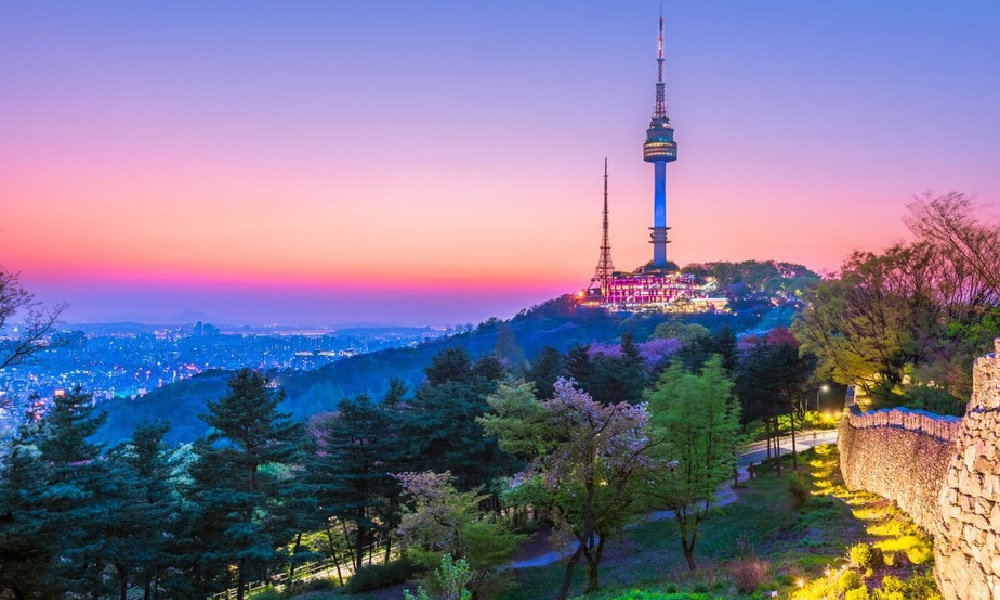
The Namsan Seoul Tower dates to 1969. A former broadcast tower, it’s now a city landmark and one of the hottest attractions even in the whole country.
If you want things to do in Seoul that make for unforgettable moments, a visit to the renowned N Seoul Tower is one of them. The observation deck provides a breathtaking panoramic view of the city and surrounding areas.
Try to get in on a weekday to avoid the noisy weekend crowds and long lines.
Explore the Namdaemun Market
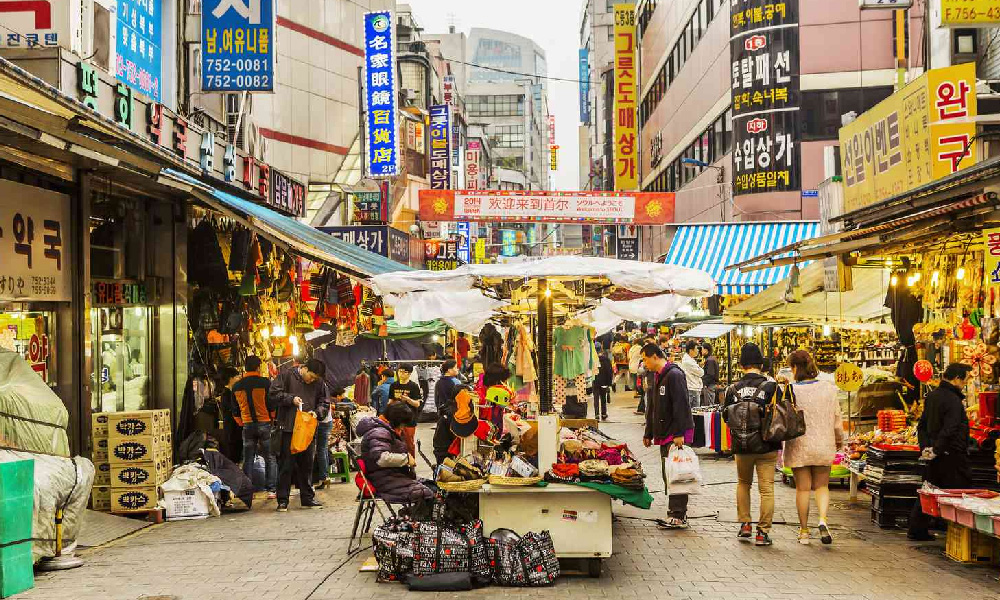
Sometimes, one of the best ways to experience the local culture is through its food. And Asian cuisine is full of surprises, especially for westerners.
If you don’t know where to try the local delicacies when in Seoul, one specific market is your best bet.
The Namdaemun Market is the oldest in Seoul and has a reputation for being the most traditional. The diversity of fresh produce is amazing and it’s also not a bad place to pick up a few souvenirs.
However, what’s great about it is how packed and busy it is every day. You can spend a few hours wandering around, sampling street food, and learning more about local habits.
Tour the Palaces
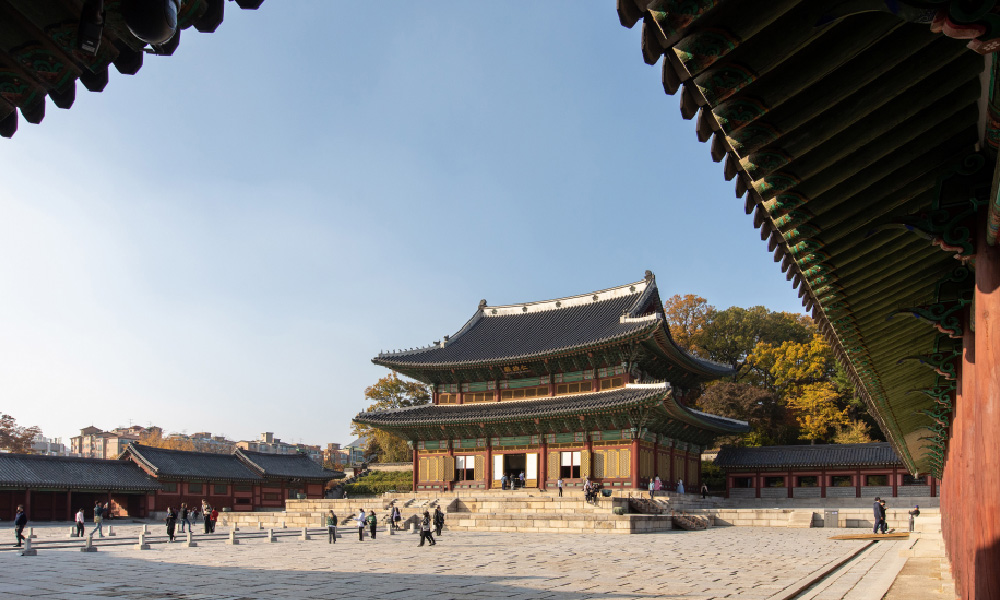
Koreans did a great job of preserving their monuments and history. And the Changdeokgung Palace is good proof of that. After all, it’s one of the most impressive sights you can see in Seoul.
It’s one of five grand palaces commissioned during the Joseon Dynasty. The palace is also one of the most affected of the five during the Japanese occupation of South Korea.
Here, tourists can visit the surrounding garden that’s initially a place of relaxation reserved only for the royal family. You can visit the palace as part of many tours offered in the city.
Gyeongbokgung Palace is another great attraction that offers a unique experience. One of the coolest things to do in Seoul is to catch the changing of the guard here. It happens on the hour from 10 am to 4 pm all week long, except Tuesdays.
You can also immerse yourself in the experience. Before the ceremony starts, you can try on a gatekeeper costume for free and take pictures. That’s an experience that even Buckingham Palace can’t match up to.
Escape Bad Weather at the Indoor Amusement Park
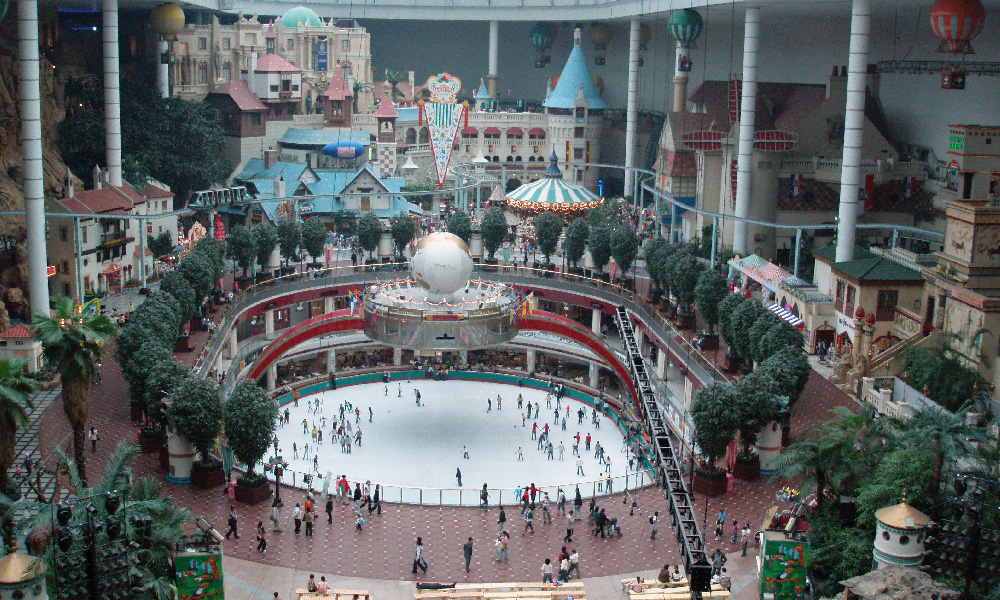
Florida may have Disneyworld, but Seoul has Lotte World. So if you want a unique experience, why not explore the largest indoor theme park in the world?
Lotte World has an outdoor section too, but the indoor complex is especially massive. Here, you can ride roller coasters, go shopping, play all sorts of games to start with. It also has a hotel if you want to spend the night in a vast entertainment hub.
When traveling with kids, Lotte World is always worth a trip.
Embrace the Viral District

Gangnam District is one of Seoul’s largest and most popular. And its rise to popularity largely had a lot to do with the Korean artist PSY and his record-breaking song.
But it’s not just the nostalgia about the music that makes the district a tourist and local hotspot.
The district’s one of the trendiest places in South Korea and has a unique vibe and lifestyle. It offers upscale nightclubs, shopping centers, and outrageous venues and events worth seeing for yourself.
A Trip You’ll Always Remember
There are things to do in Seoul that are commonly done in many parts of the world as well. So you can easily find enjoyable touristy things to do and sights to see without spending hours planning a trip.
But there are also a few things you can do that can help you forge unique memories.
A changing of the guard where you can dress up like an actual guard? Check.
An indoor amusement park? Check.
Jumping back and forth between two countries’ borders? Check.
Seoul occupies a special place in the hearts of tourists who crossed its threshold and will continue to do so for years to come.
Family Travel
Seven Best Campsites in Seoul

Do you want to spend your nights in Seoul in a unique way? Try having an outdoor-only vacation.
Here’s something you probably didn’t know about camping rules in Korea: Camping in Korea national parks is illegal.
But that doesn’t mean you can’t absolutely go camping. It just means you can’t pitch your tent wherever you want.
In reality, most parks have designated campgrounds so you shouldn’t have any problems as long as you pay attention. Check out these campsites if you want a great camping experience in Seoul.
1. Nanji Hangang Park

If you don’t want to stray too far outside Seoul, then Nanji Hangang Park is an excellent spot to park for the night.
What makes it one of the best places to go camping is its massive size. Nanji Hangang Park sits on the Han River and has a capacity of over 2,000 people. It offers a total of 165 camping pitches and you can rent a tent or bring your own.
The fee is cheap enough and the multilingual service caters to tourists from all over the world. On the site, you can also find tables, grills, and convenience stores.
Consider camping at Nanji Hangang Park an outdoor experience with city comforts, or something that’s akin to glamping.
2. Seoul Grand Park

One of the best campsites in Seoul can be found in Seoul Grand Park. It offers 150 camping pitches and tons of amenities.
What’s also great is that you can also rent a pitch during the day if you want to have a barbeque with the family without spending the night at the park. You can also rent any camping equipment you need at the campsite.
The nearby Grand Zoo and Seoul Land Theme Park are great attractions to visit with the family. You also have the National Museum of Contemporary Art close to the park if you want to discover local art.
However, most people choose camping at Seoul Grand Park because it sits in the Cheonggyesan Mountain forest. It has breathtaking scenery, plenty of shade, and multiple trails you can explore.
3. Noeul Park Campground
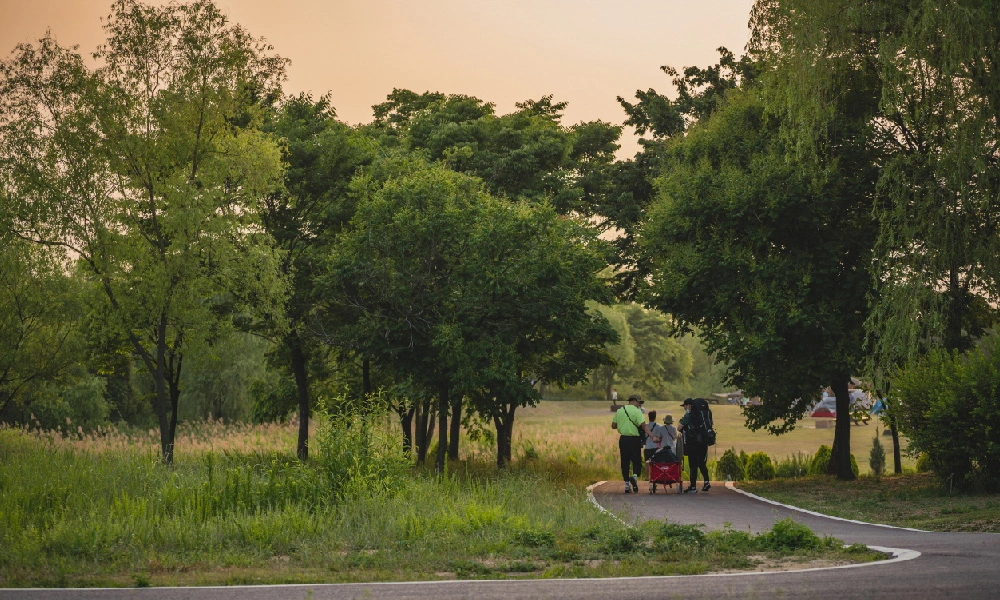
You can find another popular campsite near the World Cup Stadium. The Noeul Park Campground has a vast green pasture rich in local wildlife and wildflowers.
Initially a landfill, it’s now one of the most gorgeous places in all of Seoul to pitch a tent and enjoy the outdoors. The campground also has over 20 lookouts that are ideal for sightseeing.
Although it’s not as massive as other campgrounds, you can still find over 100 campsites. And all of them are fully equipped with necessary amenities like tables and grilling areas.
However, note that many locals spend their afternoons there too, so it can get crowded at times.
4. Choansan

Many campgrounds in and around Seoul can get very busy and noisy, as the young crowds are known to party outdoors.
If you’re traveling with your family and want to park in a more family-friendly spot, try the Choansan camping grounds. It’s one of the best locations on Choansan Mountain and offers 54 camping sites.
It can accommodate up to 216 people at about four occupants per tent. And if staying in a tent isn’t to your liking, you can also choose to rent one of the local log houses. But unlike other campgrounds, you won’t find much camping equipment to rent at Choansan.
That said, its cabins have everything you need, including a spa and pool area. It’s a quiet location and considered one of the best campsites in Seoul when it comes to scenery and relaxation.
5. Gangdong Campground

Another family-friendly spot is on the Injasan Mountain where you can find the Gangdong Family Campground.
It has decent parking, plenty of spaces, and amazing surroundings and amenities. You can experience spending the night within the in-forest shelters. Fortunately, you’ll also have access to electricity so you can access all your appliances and gadgets with you during your stay.
You’ll even find hot showers, a water fountain, even a forest library here. And many tourists choose Gangdong for its relaxing atmosphere, lush surrounding forests, and stargazing potential.
6. Grand WalkerHill
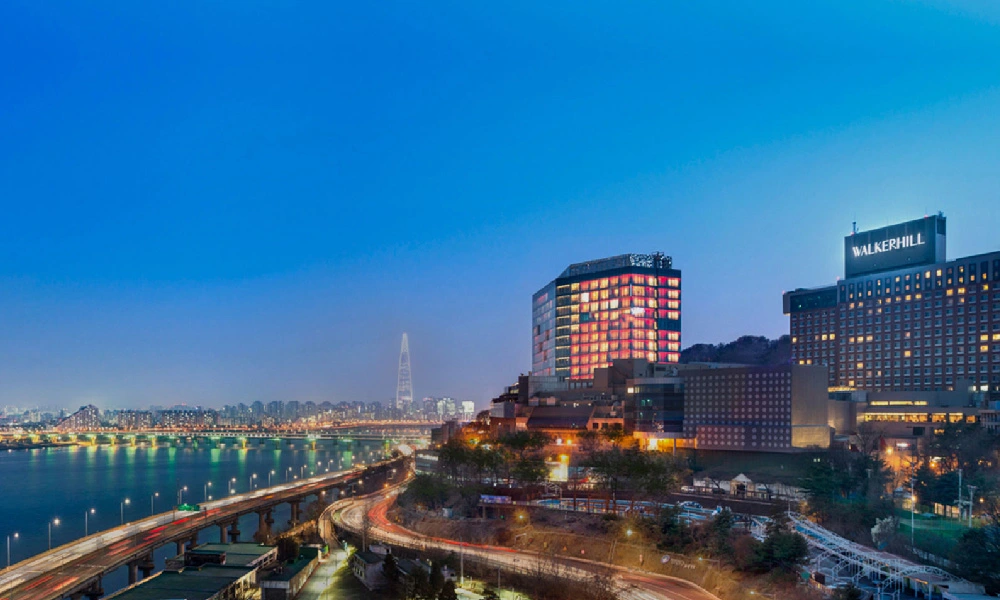
If you prefer glamping, you might want to check out one of the local resorts. The Grand WalkerHill Hotel offers a luxurious camping experience for its guests right on the hotel grounds.
From there, you can observe Mount Acha in all its glory, as well as the famous Han River. The amazing sights on the camping site are as impressive as the service and dining experience they offer.
If you camp at the Grand WalkerHill, you don’t just get a luxury tent to spend the night in. You also get the same level of service offered by that of a luxury resort.
It’s not the cheapest, but it can provide a unique inner-city camping adventure.
7. Pine4Rest
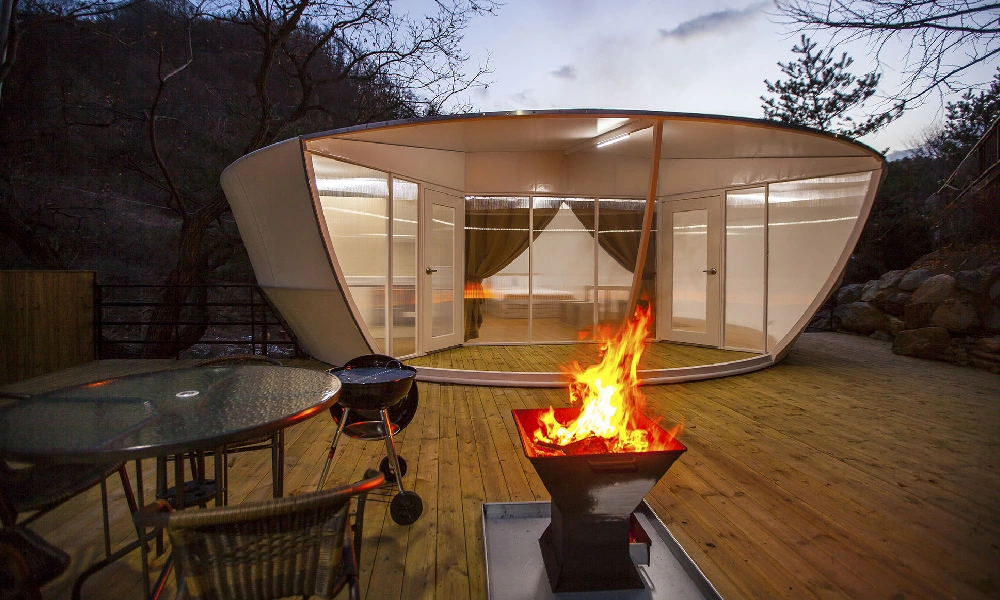
Don’t be afraid to step outside of Seoul to find an amazing experience. Pine4Rest is one of the best campsites in Seoul, even if it’s more than one hour away from the inner city.
Its location is the star attraction, as Pine4Rest sits in a coniferous and pine forest. The tents there have an interesting design and often remind guests of ramyeon bowls.
Although minimalist in design, they look luxurious and have the amenities to back up their glamping allure. Each tent has an AC unit, as well as a bathroom and a living room.
Seoul – A Camping Trip You Won’t Forget
There’s so much to see and do in Seoul that most people don’t realize that camping is among the biggest attractions in the area.
In fact, the best campsites in Seoul have everything for everyone. You can go with the most minimalist approach and rough it in the great outdoors. And if you want some pampering in nature, staying at one of the city’s glamping sites is the next best thing.
You can enjoy a full stay in Seoul as close to nature as you want. The city allocates a vast amount of land to this specific goal, for the enjoyment of natives and guests alike.
Weekend Getaways
The Party Animal’s Guide to Miami Beach
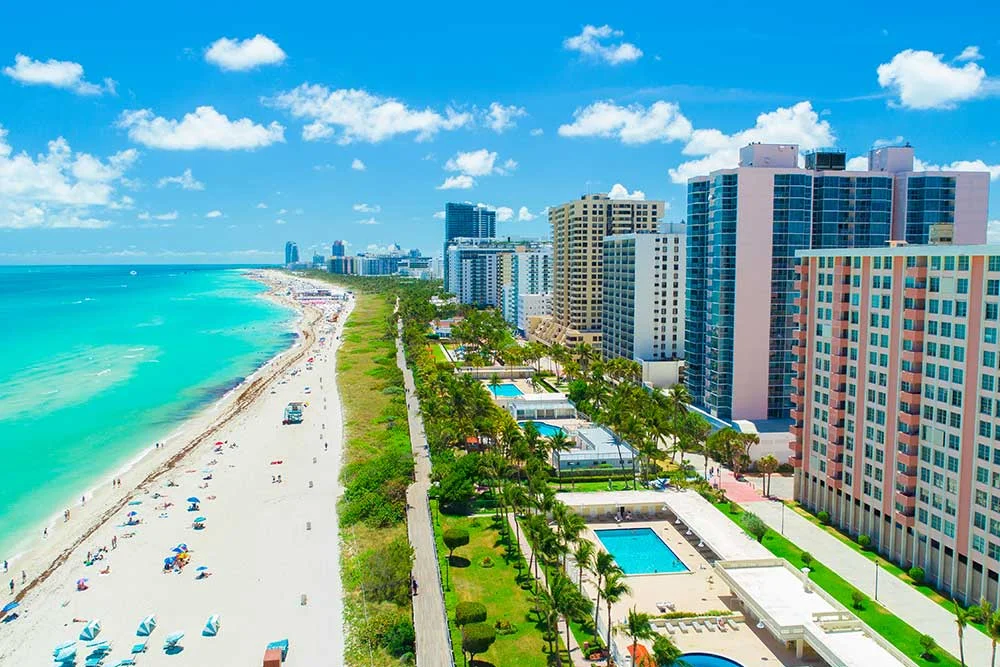
The Party Animal’s Guide to Miami Beach
Miami is a city that comes alive after dark. And with the abundance of world-famous clubs, there’s plenty of parties to choose from.
If you yearn for awesome fun and great parties, Miami is the city for you. It’s not rare for the best clubs in Miami Beach to count among the world’s best as well. Because the city’s huge and party opportunities abound, it might be difficult to find your way to the right venue.
That’s why we’ve created a comprehensive list of the best places to visit in Miami for all the party animals out there. Check out the clubs listed here and have the night of your life.
1. Nikki Beach Miami
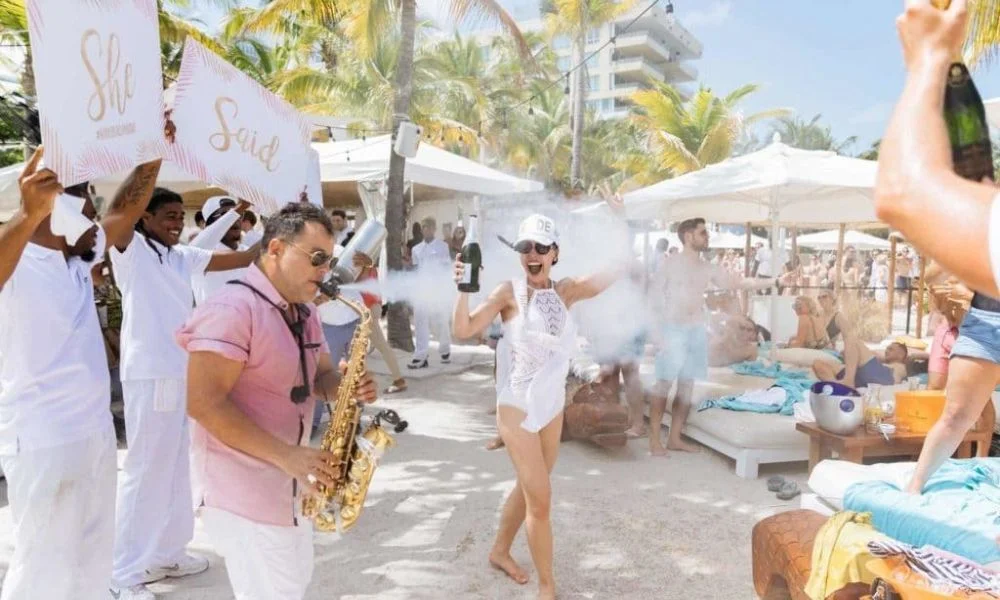
They say there’s nothing quite like a beach party, and Nikki Beach Miami club can provide just that. There are tiki bars and cabanas among the great-looking tropical island decor of one of the best clubs in Miami Beach.
The air is filled with non-stop tunes from excellent DJs, and the cocktails keep flowing. And if you need a bite to eat, there’s delicious food from all over the world. Don’t worry about the calories – dancing the night away on the sand will easily take care of those, especially if you plan a whole night of partying.
2. Purdy Lounge
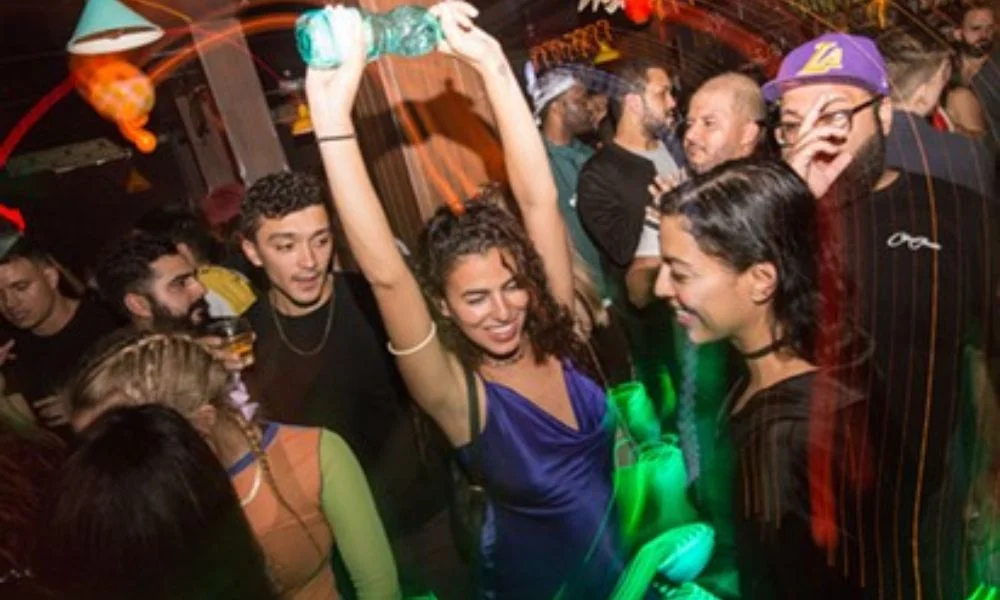
A club out of the ordinary, Purdy Lounge is not one of the usual party hotspots in Miami. The club is inspired by the retro aesthetic of the mid-70s, complete with lava lamps, funky furniture, and an assortment of board games. It offers a different yet refreshing party experience
The drinks are affordable, the music very pleasant, and the games so much fun. All this might not be the first thing that comes to mind when you think about a party, but the amount of fun to be had at the Purdy Lounge will surprise you.
3. Beaker and Gray
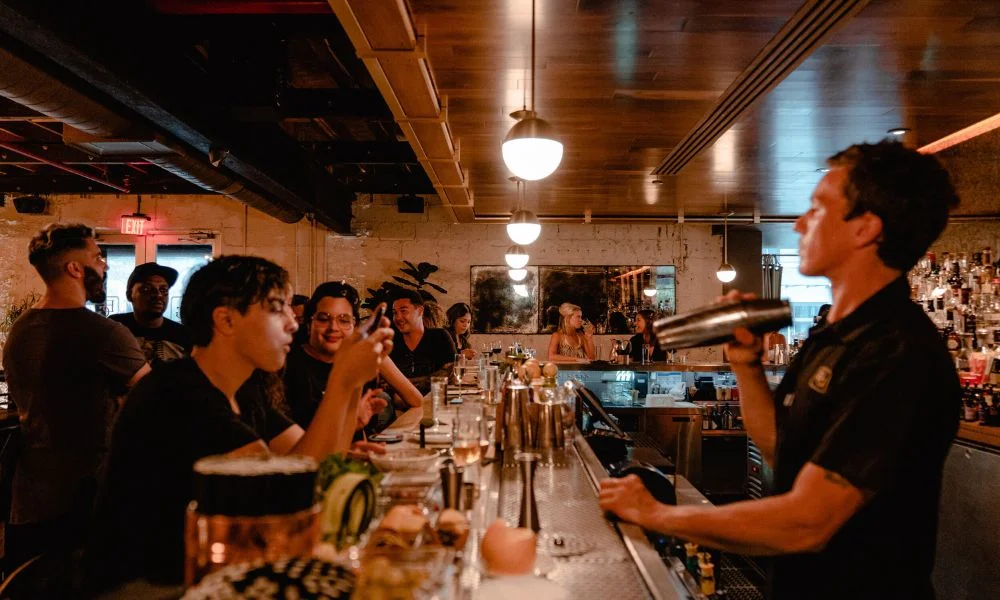
If partying in style is more your speed, it’s a great idea to drop by Beaker and Gray. The meals and cocktails are sublime, and the atmosphere’s slick yet lively. This isn’t a fine dining experience you can find in more luxurious restaurants, though. It’s still a party venue, but one that accommodates those with specific tastes.
So if you’re not up for the wild parties with loud bass thumping and dancing but still want to have some great fun, pay Beaker and Gray a visit. Stay for the late happy hour and all your nightly party cravings will be satisfied.
4. SkyBar Miami Beach
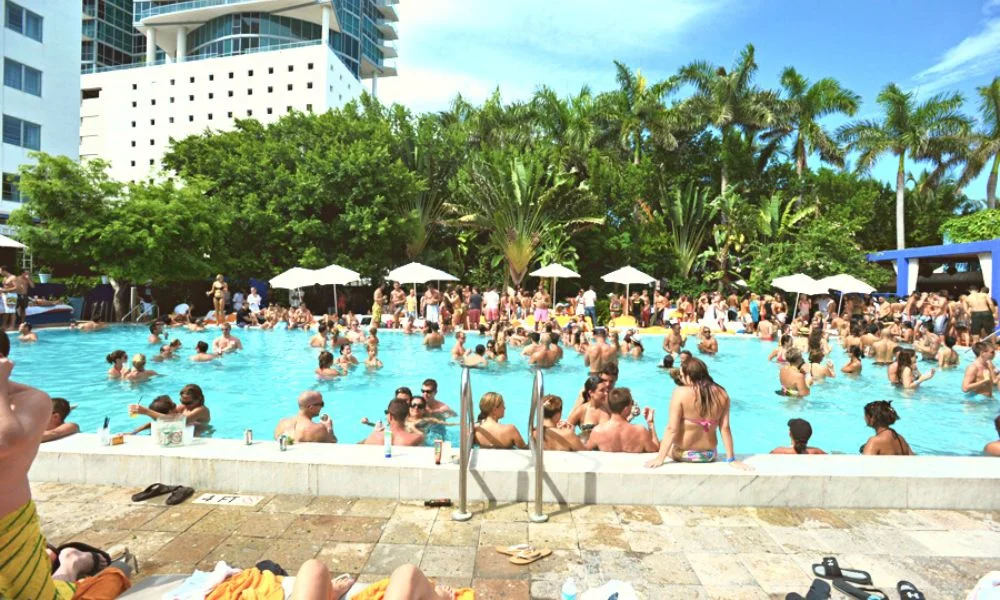
Skybar’s housed in the unique Shore Club hotel and offers an atmosphere of extravagance and chic. There’s a garden, a lounge by the pool, and of course, the beach outdoors. But the party starts in the captivating Redroom that’s designed to fascinate with its dramatic colors.
The venue is filled with luxurious materials and has a seductive quality about it. If this kind of lounge fits your style, you’ll find it hard to leave one of the best clubs in Miami Beach before sunrise. Luckily, Skybar’s made for just that kind of patrons – you’re welcome to stay for hours while immersed in its splendor.
5. Ball & Chain

Ball & Chain has plenty of tradition behind it, being in business since the mid-30s. While today it might be somewhat low-key as a party venue, it’d still be a mistake to miss out on what it offers.
Once upon a time, legends such as Billie Holiday and Chet Baker performed here, and Ball & Chain keep the tradition of live music events to this day. There’s no shortage of opportunity for dancing and fine drinks await at the bar. This is the sort of place that’s rich in history that you’ll want to be part of.
6. Sweet Liberty
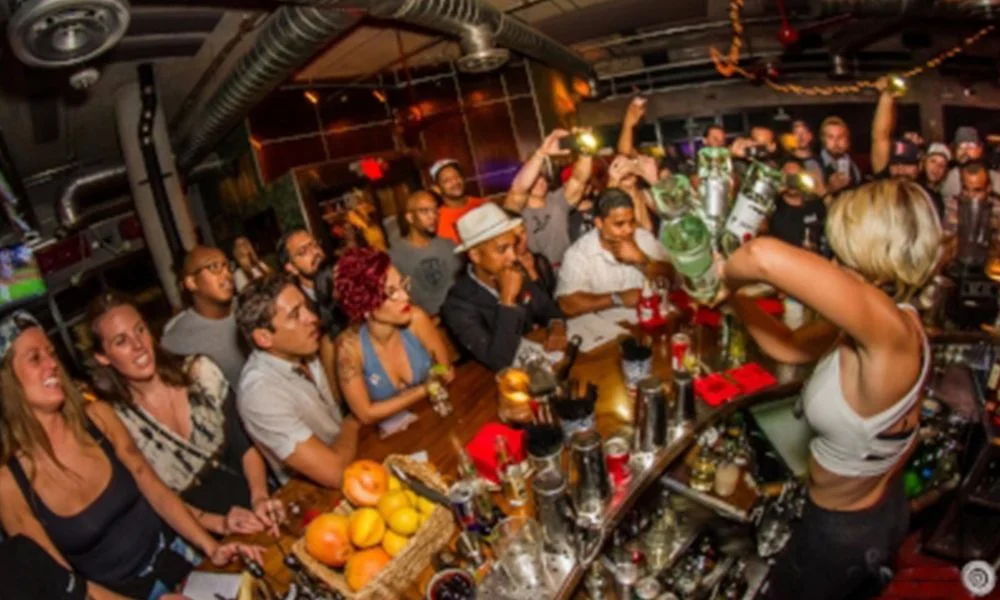
Going back to the more common party joints, Sweet Liberty deserves mention. It’s a casual yet exotic cocktail bar that makes a point of being the main watering hole of the area.
This is a place for those who want the cocktails to keep coming while fine tunes build up the atmosphere. And if you come for happy hour, the drinks are less than cheap, as are the oysters you can grab as an on-the-go refreshment.
7. Basement
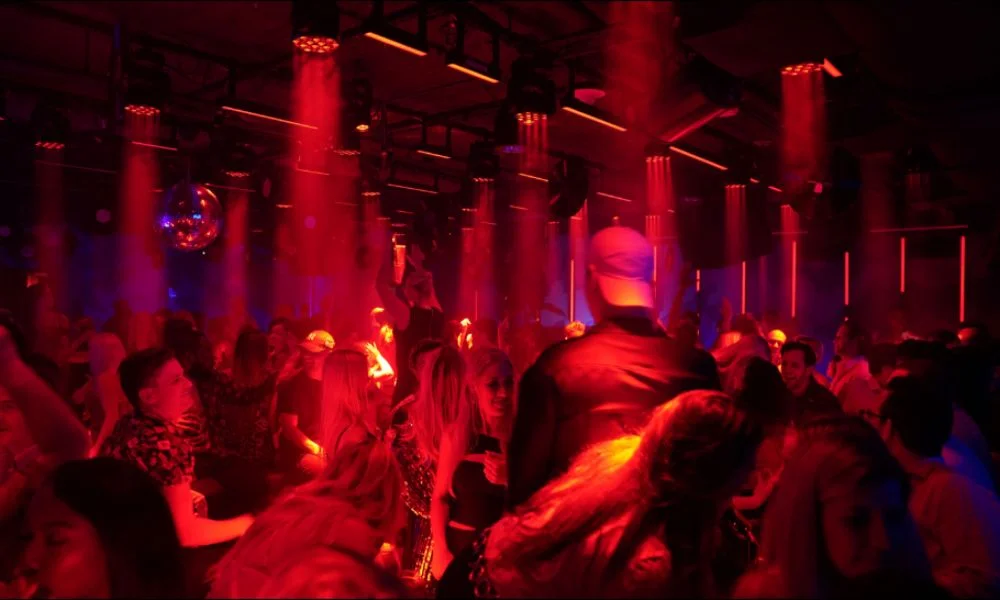
s a versatile space focused on nothing but fun. It features everything one could imagine when looking for a great night of partying – it can be a dance club, a bar, a bowling alley, and many more things. So if you’re looking for some of the best clubs in Miami Beach, this is a place to consider.
It’s located in the Edition Hotel, and the exact location of the club is revealed in its name. Here you could catch a performance by world-class DJs and even spot some celebrities among the crowd. That is if you can keep your eyes off the amazing interior. After all, Basement is gorgeous and perfect for taking a photo or ten.
8. No. 3 Social
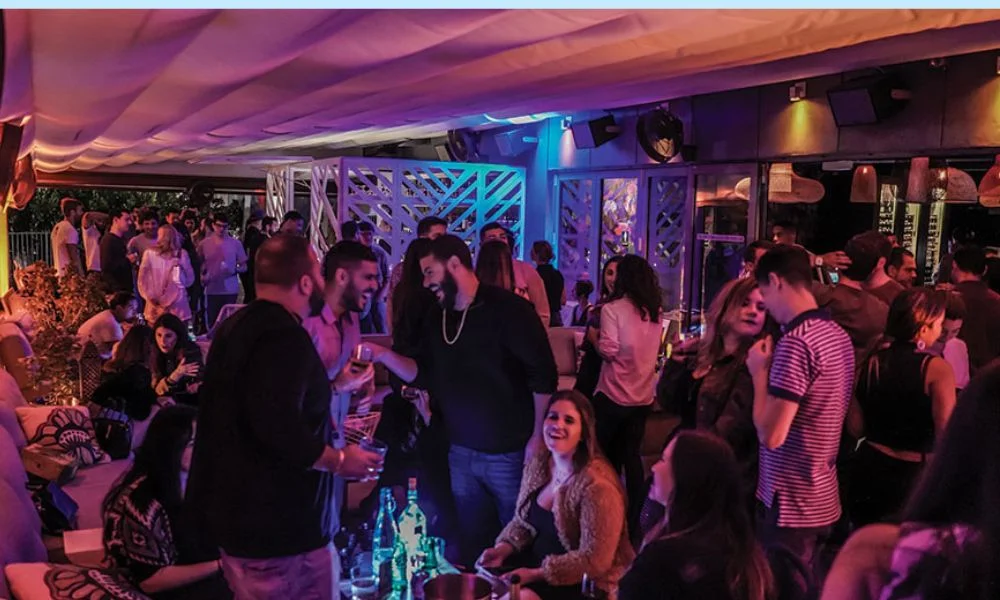
If there’s one thing that’s not common in the Miami party scene, it’s rooftop venues. That’s where No. 3 Social comes in. The lounge offers an astounding view to go along with the music, food, and, of course, the drinks.
Besides its rooftop location, the club’s famous for the delicate menu full of intricate, delicious meals. The cocktails are just as delightful as the food, and all of it is accompanied by either live music or DJ tracks. No. 3 Social also has a cinema night once a week and an extensive happy hour.
The Fun in Miami Never Ends
There are enough nightlife options in Miami to last a lifetime, but the essential party spots are the ones you shouldn’t miss. With various venues, locations, and available activities, every partygoer will be satisfied by the best clubs in Miami Beach.
If you like those larger-than-life nightly events, there’s a place for you here. And if low-key, classy joints are more up your alley, you can find those in Miami as well.
There aren’t many cities that can satiate every craving quite as good as Miami when it comes to different party tastes.









Oceanside’s Surfing Scene: A Beginner’s Guide
If you’ve ever dreamed of catching your first wave, Oceanside, California, is the perfect place to start. With its laid-back...


Why San Diego Might Be California’s Coolest City—And No One’s Talking About It
When people think of California’s most iconic cities, Los Angeles and San Francisco usually steal the spotlight. But those in...
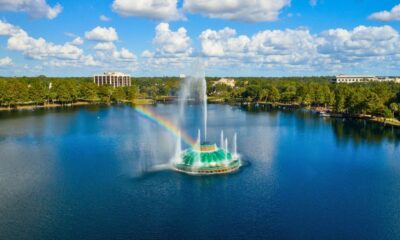

What They Don’t Tell You About Orlando (Hint: It’s Not All About the Mouse)
Orlando is world-famous for one thing: the Mouse. And sure, Walt Disney World is a bucket list destination. But beyond...
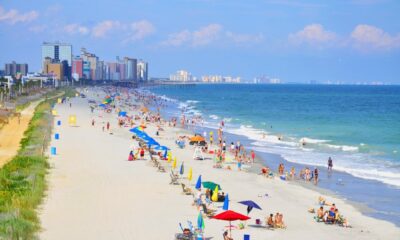

Why This Laid-Back Beach Town Is the East Coast’s Best-Kept Secret
Most people planning an East Coast beach trip think of places like the Hamptons, Cape Cod, or Miami. But tucked...
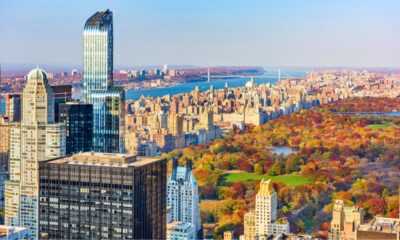

10 Things You Didn’t Know You Could Do in NYC (Even Locals Miss These)
New York City is famous for iconic landmarks like Times Square, Broadway, and Central Park. But beneath its glittering surface,...
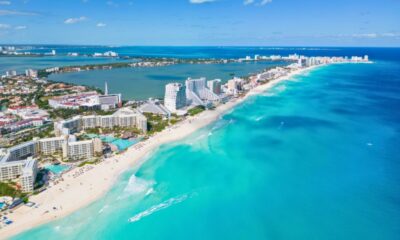

You Won’t Believe What $147 Gets You In Cancun – Unlimited Food, Drinks & 5 Nights
Sound too good to be true? We thought so too. But it’s real. For just $147 total, you can stay...
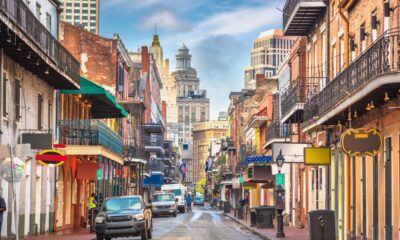

These 7 Haunted Places In New Orleans Will Give You Chills
New Orleans, a city steeped in history, rich culture, and a distinct air of mystery, is practically synonymous with the...


Why The Grand Serenis Resort In Akumal Is Rated The #1 Snorkeling Resort In North America
Dive into Paradise: Why Grand Sirenis Riviera Maya is a Snorkeler’s Dream Akumal, Mexico – When it comes to finding...


New Orleans’ Jazz Scene: A Music Lover’s Guide
When it comes to jazz, New Orleans doesn’t just play the notes—it lives them. The city pulses with rhythm, soul,...


Oceanside’s Farm-to-Table Dining: A Foodie’s Guide
If you’ve ever dreamed of devouring a just-plucked salad while staring at the Pacific, then buckle up, buttercup—Oceanside farm-to-table dining...
-

 California57 years ago
Why Oceanside Is The Coolest Beach Town In California You’ve Never Heard Of
-

 Tips + Planning57 years ago
How the Right Credit Card Can Help Turn Everyday Spending Into Travel Opportunities
-
 Tennessee57 years ago
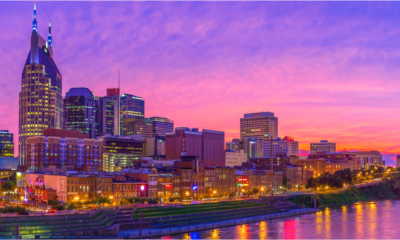
Nashville’s Live Music Scene: A Guide to the Best Venues
-
Travel Deals57 years ago
5 Days in Southern California for $147? Here’s Why This Oceanside Deal Is Turning Heads
-

 USA57 years ago
The Top Nashville Attractions for the Music Lover
-
Trip Ideas57 years ago
Why The Grand Serenis Resort In Akumal Is Rated The #1 Snorkeling Resort In North America
-

 Tips + Planning57 years ago
Why Vacations Feel Impossible When Debt Is in the Picture
-

 Trip Ideas57 years ago
New AI Technology Helps Travelers Find the Best Flight Deals