
Tips + Planning
The Ultimate Fiji Packing Checklist

The Ultimate Fiji Packing Checklist
The tropical paradise is prime for all kinds of enjoyment. Bring along all the necessities and you’ll get the most from your holiday in Fiji.
If you’re getting ready for a holiday in Fiji, you should expect a memorable vacation. Gorgeous beaches, wonderful nature, authentic culture, cuisine, and more await after all. As it’s one of the world’s most popular faraway destinations, a holiday in Fiji is the stuff of dreams for many people.
However, it’s good to know what to pack when heading for this remote paradise. Fiji is tropical, with a constantly warm climate and specific weather conditions, so you should pick your clothes and accessories that befit it.
The better you’re prepared, the more enjoyable your holiday will be. That’s why we’ve compiled this ultimate Fiji packing checklist. Follow the advice given here and all that will be left for you to do is to soak up the sun and the sea when you get there.
Clothing Considerations

The weather will be warm the majority of the time, so you should primarily pack light clothes. Focus on t-shirts, shorts, and sundresses. Of course, don’t forget your swimming gear.
It should also be said that Fiji’s more than just the beaches and sunshine because there’s usually a drop in temperature in the evening.
After you’ve experienced 86 degrees during the day, you can expect temperatures of around 77 or lower after sundown. It can get chilly by the oceanside especially during winter, so you should pack some slightly warmer clothes in addition to the light ones. There are also mountains you can hike so you should bring appropriate clothing if you’re up for it.
Finally, anyone planning to visit one of the charming, authentic Fijian villages should prepare some more conservative clothing options. It’s considered in bad taste to go to a local Fiji village dressed scantily.
When it comes to shoes, don’t forget to pack a pair of sneakers and shoes in addition to the beach-mandatory flip flops.
Everything to Combat the Sun

Most days, at least eight hours of sunshine will be guaranteed. It would be wise to ensure you’re protected throughout the day, as the tropical temperatures are constantly in the higher 80s.
The first and most essential thing to pack is, naturally, sunscreen. While you could find plenty of it in Fiji, sunscreen could be a bit pricier there so it wouldn’t hurt to bring your own. Bear in mind that you’ll need sunscreen with a higher SPF if you plan to spend more time in the water. And those sensitive to the sun shouldn’t forget to bring a soothing cream, just in case.
Wearing a light hat is also advisable both when taking a walk and while sunbathing. How often you’ll wear it will depend on how well you tolerate the heat, but it’s good to have some head covering ready.
Among the must-have accessories for a holiday in Fiji are sunglasses. With the water surface shining under the bright sunlight, you won’t be able to soak up all of the beauty around you without them.
Medicine and Prevention
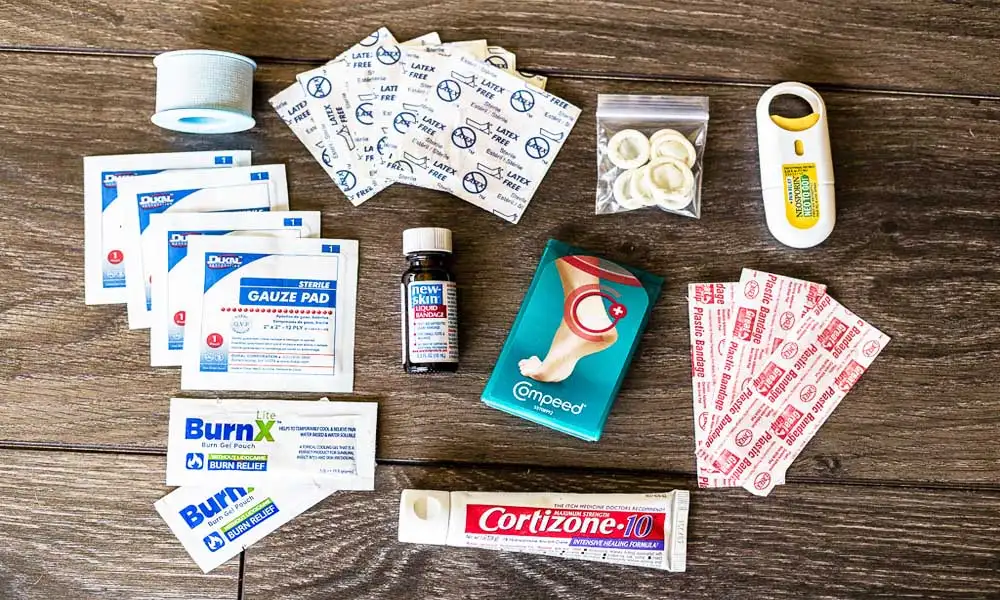
As is the case with every visit to a remote location, you should ensure you have the necessary medicine with you, especially if you’re on long-term prescription drugs.
Besides that, it’s good to have a medical kit packed and ready. These should contain the essential items that could come in handy in an emergency. A well-packed medical kit should ideally contain the following:
- pain relief medicine
- antihistamines for allergies, bites, or stings
- cold or flu medicine
- motion sickness tablets
- antiseptic solution or ointment
- plasters or patches for blisters and wounds
- a bandage, gauze, and medical adhesive tape
Mosquito repellent is another must for a Fiji holiday. There are plenty of mosquitoes there, and they mean business, so you may want to bring an arsenal of repellents to combat the buzzing pests.
Electronics and Tech

Unless you come from Australia or New Zealand, you’ll need a plug adapter or two for your electronic gadgets.
Fiji’s power sockets are Type 1 in most cases, which means they receive three-pin plugs and work on 240V. There are whole packages of adapters on offer, and it would be best to find those that also feature a USB output.
Once you’ve ensured your gadgets can remain charged, consider which ones to pack. For most people, a phone, a tablet, or both are a given. You should secure them in a waterproof casing if you plan on taking them with you on the beach. Don’t forget that the sand is rough and it gets everywhere, so keeping it out of your electronics is vital.
While the best way to experience a tropical paradise is by taking the scenery in with your own eyes, it’s best to have a camera ready to capture those indescribable moments of beauty. The advice about phone safety goes for the camera as well – make sure to protect it against the elements, focusing especially on the lens.
Given that Fiji’s surrounded by an amazing underwater world, taking an underwater camera will provide you with the most beautiful footage imaginable. Those who decide to go on a dive without one will instantly regret not being able to capture the colorful corals and exotic fish that can be encountered down there.
Consider the Possibility of Rain

Fiji has two main seasons, namely the dry and the wet season. The wet season usually lasts from November to April, and during that period, you’ll likely experience anything from light showers to severe downpours.
Notice that precipitation isn’t guaranteed, though. You could spend a week or two in Fiji during the wet season and not see a drop of rain, but it will depend on your luck and the forecast.
If you’re visiting Fiji in the wet season, it would be best to have an umbrella, a light raincoat, or a jacket just in case. The destination is still delightful during the wet season, and it’ll be even better if you don’t allow the rain to catch you off guard.
Pack Well and Prepare for the Beauty
You can have a dream holiday in Fiji, especially if you come prepared. Having everything packed and ready to go ensures you’ll be ready to visit the amazing places in Fiji with no trouble.
You don’t need to do anything but spend a wonderful, memorable holiday in this tropical paradise.







Tips + Planning
How the Right Credit Card Can Help Turn Everyday Spending Into Travel Opportunities
Many people dream about taking more trips whether it’s a relaxing beach getaway, exploring a new city, or finally booking that long‑planned vacation.
But travel costs can add up quickly. Flights, hotels, dining, and activities can make even a short trip feel expensive.

That’s one reason many travelers are paying closer attention to how they choose their credit cards.
The right card can sometimes turn everyday purchases into points, miles, or rewards that help offset travel costs. And platforms like CreditSoup are designed to help people compare options and find cards that match the way they spend and travel.
Turning Everyday Spending Into Travel Rewards
Many credit cards now offer rewards programs that allow users to earn benefits on purchases they’re already making such as groceries, gas, dining, and online shopping.
Depending on the card, those rewards might include:
- Airline miles
- Hotel points
- Cashback that can be used toward travel
- Travel credits or perks
For people who travel regularly, these benefits can sometimes make a noticeable difference when planning a trip.
Instead of starting from scratch each time, travelers may already have rewards built up that can help reduce the overall cost.

Finding a Card That Matches Your Travel Style
Not all travel rewards cards work the same way. Some are better suited for frequent flyers, while others are designed for occasional travelers who simply want to earn rewards on everyday purchases.
Platforms like CreditSoup help simplify the search by organizing different credit card offers in one place so people can compare features more easily.
For example, some cards focus on:
- Airline rewards and frequent‑flyer programs
- Hotel loyalty points
- Flexible travel redemption options
- Simple cashback that can be applied toward travel expenses
By comparing these features side‑by‑side, users can get a better idea of which cards might align with their travel goals.
Looking Beyond Just the Rewards
While rewards are often the biggest attraction, travel credit cards may also include additional benefits that can make trips smoother.
Some offers include perks such as:
- Travel insurance coverage
- Rental car protection
- Airport lounge access
- No foreign transaction fees
When combined, these features can make certain cards particularly appealing for people who travel internationally or take multiple trips each year.
Services like CreditSoup help highlight these details so users can review important features before choosing a card.

Why More Travelers Are Comparing Cards First
The credit card market is constantly evolving, with banks introducing new rewards programs and promotional offers throughout the year.
For travelers, this means there may be more opportunities to earn rewards or find benefits that fit their lifestyle.
But sorting through dozens of offers can be time‑consuming.
That’s why comparison platforms exist to organize available options and give users a clearer starting point when exploring credit cards that might support their travel plans.
A Smarter Way to Plan Your Next Trip
Travel often feels more attainable when people make the most of the financial tools they already use every day.
By choosing a credit card that aligns with their spending habits and travel goals, some consumers are able to earn rewards that help make future trips a little easier to plan.
Platforms like CreditSoup aim to simplify that process, helping people explore different credit card options and better understand which benefits may work best for them.
And for many travelers, finding the right card is simply another step toward making the next adventure a reality.
Tips + Planning
Travel Feels Different Lately And That Matters
If the past year has shown travelers anything, it’s this:
January’s severe winter storms grounded thousands of flights across the U.S., leaving travelers stranded in airports for days. Hotels filled up. Rebooking costs surged. Some people never made it to their destinations at all.
At the same time, geopolitical tensions including ongoing instability involving Cuba and regional safety concerns in parts of Mexico have forced sudden itinerary changes for international travelers.

None of these people expected disruption when they booked.
But disruption showed up anyway.
And that’s exactly where travel insurance shifts from “optional” to “practical.”
When Weather Grounds the Country
This January, major snow and ice systems shut down airports across multiple states.
Flights were canceled in waves. Crews timed out. Aircraft were out of position. Even travelers in cities with clear skies were affected because of network disruptions.
For some travelers, it meant:
- Missed cruises
- Missed tours
- Non‑refundable hotel nights
- Additional last‑minute airfare
- Extra food and lodging expenses
Airlines do what they can but compensation is often limited.

Travel delay and trip interruption coverage can reimburse many of those out‑of‑pocket costs when severe weather derails your plans.
When the system stalls, protection matters.
Political & Regional Instability
Travelers heading to parts of the Caribbean and Latin America have also had to navigate changing advisories, localized unrest, and safety concerns.
While many trips proceed without issue, unexpected developments can lead to:
- Canceled excursions
- Sudden itinerary changes
- Early returns home
- Emergency transportation
Travel insurance can provide coverage when unforeseen events force cancellations or interruptions.
The world doesn’t stop moving just because you have reservations.

The Medical Reality Abroad
Beyond weather and geopolitics, the fundamental risk remains the same:
You are not in your home healthcare system.
A broken bone in a foreign country.
A sudden illness.
An accident during an excursion.

International hospital stays can cost tens of thousands of dollars. In some destinations, payment is required before treatment continues or before discharge.
Many domestic health plans offer limited international coverage. Some offer none at all.
Emergency medical and evacuation coverage isn’t dramatic thinking.
It’s realistic planning.
The Pattern Is Clear
Recent snowstorms.
Flight system breakdowns.
Regional unrest.
Strikes.
Weather volatility.

None of these are rare events anymore.
They’re recurring headlines.
Most trips still go smoothly.
But the margin for error feels thinner than it used to.
And when disruptions happen, they ripple fast.
Travel Is an Investment Protect It Like One
If you’re spending $5,000 to $10,000 (or more) on a trip, you’re not just buying plane tickets.
You’re investing in:
- Limited time off
- Coordinated schedules
- Special occasions
- Non‑refundable bookings
- Experiences you may not easily replicate
Travel insurance typically costs a small fraction of the total trip.

Compared to:
- A week of canceled flights
- A last‑minute international return
- A five‑figure hospital bill abroad
It becomes less about “extra cost” and more about risk management.
Planning for the World as It Is
A few years ago, many travelers viewed insurance as overly cautious.
Today, after pandemic disruptions, severe weather events, airline instability, and global tensions, the conversation feels different.
Not fearful.
Just realistic.
You can’t control snowstorms.
You can’t control political shifts.
You can’t control sudden illness.
But you can control how exposed you are financially if those things affect your trip.

From Headlines to Your Itinerary
We read about snowstorms shutting down airports.
We see alerts about changing travel advisories.
We scroll past stories of grounded flights and stranded passengers.
It feels distant until you’re the one holding the boarding pass.
The recent January storms left travelers sleeping in airports and scrambling for last‑minute hotels. Not because they planned poorly. Because systems froze.
In other regions, shifting political or safety concerns forced sudden itinerary changes for visitors who had booked months in advance.
These aren’t once‑in‑a‑decade events.
They’re normal travel variables now.
And when something changes unexpectedly, flexibility often comes down to what protection you put in place before departure.

Tips + Planning
Before You Book the Trip: One Smart Move Many Travelers Overlook
Planning a trip is exciting.
You compare flights.
You look at hotels.
You picture yourself somewhere new even if it’s just for a long weekend.
Travel represents freedom, reset, adventure.
But there’s something interesting about travel planning:
It highlights how much we value the people and experiences in our lives.
And that’s where a different kind of planning often comes into focus.

Travel Is About Living. Planning Is About Protecting
Most people don’t think about life insurance while browsing vacation deals.
But travel has a way of reminding us what matters.
Whether you’re traveling solo, with a partner, or with your family, being away from home brings a subtle awareness: life is unpredictable.
Flights get delayed. Weather changes plans. Unexpected situations happen.
We can’t control everything.
But we can prepare responsibly.
That’s why many financially aware travelers don’t just plan the fun part of the trip, they make sure their broader financial foundation is solid as well.

Why Travel Often Sparks Bigger Financial Decisions
There’s a reason people make major financial decisions around milestone moments.
Buying a home.
Having a child.
Starting a business.
Planning a big trip.
Travel tends to trigger reflection. It reminds you that time matters. Experiences matter. Family matters.
And for many people, that reflection leads to questions like:
- If something unexpected happened, would my family be financially protected?
- Do I have enough coverage in place?
- Would my partner or children be okay long-term?
These aren’t dramatic thoughts. They’re responsible ones.

Life insurance isn’t about expecting something bad to happen. It’s about acknowledging that life is unpredictable and planning anyway.
The Difference Between Travel Insurance and Life Insurance
Travel insurance typically covers things like trip cancellations, lost baggage, or medical emergencies during a trip.
Life insurance serves a different purpose.
It provides financial protection to your loved ones if something were to happen to you whether you’re traveling or at home.
While travel insurance protects the trip, life insurance protects the people behind it.
Both are part of thoughtful planning.
Peace of Mind Travels With You
One of the underrated benefits of having proper financial protection in place is peace of mind.
When your broader financial plan is secure:
- You travel lighter mentally.
- You focus on experiences instead of “what ifs.”
- You know your family is protected no matter where you are.
For parents especially, that sense of security matters.
Knowing your children would have financial support for housing, education, or everyday living expenses provides a level of reassurance that no itinerary can match.
You Don’t Have to Be Wealthy to Consider Coverage
A common misconception is that life insurance is only necessary for high earners.
In reality, coverage is often most important for households that rely on shared income, regardless of income level.
Many policies are more affordable than people assume, especially for healthy adults.

Even a modest policy can:
- Help replace lost income
- Cover debts
- Provide stability during a difficult time
- Protect long-term financial goals
The goal isn’t over-insuring.
It’s making sure there’s a plan.
Travel Reminds Us What We’re Protecting
At its core, travel is about creating memories.
It’s about stepping outside your routine and appreciating the people around you.
In a way, that’s exactly what life insurance planning is about: protecting the people who make those moments meaningful.
Before your next trip, it may be worth taking a few minutes to review your overall financial protection.
Do you have coverage in place?
Is it sufficient?
Has your situation changed since you last looked at a policy?
You don’t need to overhaul your finances before you board a plane.
But making sure your foundation is solid can allow you to fully enjoy the journey.
Because real peace of mind doesn’t come from the destination.
It comes from knowing the people you love are protected wherever life takes you.











Oceanside’s Surfing Scene: A Beginner’s Guide
If you’ve ever dreamed of catching your first wave, Oceanside, California, is the perfect place to start. With its laid-back...


Why San Diego Might Be California’s Coolest City—And No One’s Talking About It
When people think of California’s most iconic cities, Los Angeles and San Francisco usually steal the spotlight. But those in...


What They Don’t Tell You About Orlando (Hint: It’s Not All About the Mouse)
Orlando is world-famous for one thing: the Mouse. And sure, Walt Disney World is a bucket list destination. But beyond...


Why This Laid-Back Beach Town Is the East Coast’s Best-Kept Secret
Most people planning an East Coast beach trip think of places like the Hamptons, Cape Cod, or Miami. But tucked...


10 Things You Didn’t Know You Could Do in NYC (Even Locals Miss These)
New York City is famous for iconic landmarks like Times Square, Broadway, and Central Park. But beneath its glittering surface,...


You Won’t Believe What $147 Gets You In Cancun – Unlimited Food, Drinks & 5 Nights
Sound too good to be true? We thought so too. But it’s real. For just $147 total, you can stay...


These 7 Haunted Places In New Orleans Will Give You Chills
New Orleans, a city steeped in history, rich culture, and a distinct air of mystery, is practically synonymous with the...


Why The Grand Serenis Resort In Akumal Is Rated The #1 Snorkeling Resort In North America
Dive into Paradise: Why Grand Sirenis Riviera Maya is a Snorkeler’s Dream Akumal, Mexico – When it comes to finding...


New Orleans’ Jazz Scene: A Music Lover’s Guide
When it comes to jazz, New Orleans doesn’t just play the notes—it lives them. The city pulses with rhythm, soul,...


Oceanside’s Farm-to-Table Dining: A Foodie’s Guide
If you’ve ever dreamed of devouring a just-plucked salad while staring at the Pacific, then buckle up, buttercup—Oceanside farm-to-table dining...
-

 Family Travel57 years ago
Why Oceanside Is The Coolest Beach Town In California You’ve Never Heard Of
-

 Tips + Planning57 years ago
How the Right Credit Card Can Help Turn Everyday Spending Into Travel Opportunities
-

 Trip Ideas57 years ago
Nashville’s Live Music Scene: A Guide to the Best Venues
-
Travel Deals57 years ago
5 Days in Southern California for $147? Here’s Why This Oceanside Deal Is Turning Heads
-

 USA57 years ago
The Top Nashville Attractions for the Music Lover
-
Trip Ideas57 years ago
Why The Grand Serenis Resort In Akumal Is Rated The #1 Snorkeling Resort In North America
-

 Tips + Planning57 years ago
Why Vacations Feel Impossible When Debt Is in the Picture
-

 Trip Ideas57 years ago
New AI Technology Helps Travelers Find the Best Flight Deals